You’re managing a mold trial project in China, but your specified Zytel resin is stuck in customs or shipping delays. Your engineering team is waiting, costs are mounting, and your project timeline is slipping away.
Zytel resin solutions for efficient mold trials involve pre-stocking verified grades locally in China, ensuring immediate material availability while maintaining consistency with your original design specifications through proper grade matching and documentation.
I work with engineering teams who face this challenge regularly at MTM. The solution isn’t just about finding any Zytel grade – it’s about having the right materials ready when your mold is prepared, with proper verification and compliance documentation to support your project goals.
Why Choosing The Right Zytel Resin Impacts Mold Trial Success
Selecting the correct Zytel resin grade is a critical decision for any mold trial. A mismatch can cause significant delays and flawed initial samples. Focusing on the right material from the start ensures your trial accurately predicts production performance, saving you valuable time and resources.
Key Material Properties to Consider
Proper Zytel resin selection directly influences the quality of your first-off-tool parts. Three core areas demand close attention.
Mechanical Performance
The grade must match the part’s end-use requirements for strength and durability. An incorrect choice leads to parts that fail basic functional tests, forcing unnecessary design or material changes.
Thermal Resistance
If the component operates in high-temperature environments, selecting a Zytel grade with appropriate heat resistance is non-negotiable. This prevents warping or degradation during testing and in the final application.
Mold Flow Characteristics
Each Zytel grade has a unique flow behavior. Selecting a material with the wrong viscosity can result in short shots, flash, or sink marks. This affects aesthetics and structural integrity.
| Property Focus | Impact of Incorrect Selection | Ideal Outcome with Correct Grade |
|---|---|---|
| Mechanical Strength | Parts crack or deform under load | Samples pass functional testing |
| Thermal Resistance | Parts warp at operating temperatures | Component maintains dimensional stability |
| Mold Flow | Incomplete fill or cosmetic defects | Clean, fully formed parts |
Beyond the Datasheet: Practical Implications
A datasheet provides a baseline, but real-world molding conditions reveal the true importance of precise Zytel resin selection. Minor variations between grades, which seem insignificant on paper, can lead to major issues during the mold trial.
The Nuances of Processing
The processing window for each Zytel material is unique. An incorrect grade might require higher injection pressures or temperatures than the mold is designed for. This can cause premature tool wear or introduce stress into the molded parts, leading to unexpected failures later.
How Grade Affects Part Quality
Subtle differences in material properties influence everything from surface finish to dimensional accuracy. The Rheology1 of the resin is especially crucial. A slightly different flow rate can be the difference between a perfect part and one with critical flaws like warpage. This is why having the exact specified grade is essential. At MTM, we ensure the material you use for your trial in China is identical to your production-intent resin, eliminating these variables.
| Issue | Cause from Wrong Zytel Grade | Consequence for Mold Trial |
|---|---|---|
| Warpage | Incorrect shrink rate and internal stress | Delays for mold adjustments |
| Sink Marks | Poor flow into thick sections | Parts are structurally weak |
| Brittleness | Unsuitable polymer backbone or filler | Catastrophic failure in testing |
Choosing the right Zytel resin is foundational to a successful mold trial. It directly impacts sample quality, iteration speed, and project costs. This initial decision ensures the validation process is efficient and accurately reflects final production capabilities, preventing costly rework and delays.
What To Do When Your Specified Zytel Grade Isn’t Available On-Site
When your project demands a specific Zytel grade that isn’t on-site in China, it feels like a major roadblock. This situation can delay your mold trials and disrupt your entire production schedule. The key is not to panic but to have a clear strategy.
Identifying the Right Alternative
The first step is to consider verified polymer alternates for mold testing. This doesn’t mean grabbing any similar material. It requires a careful comparison of critical properties to ensure the substitute performs as expected during the trial. A minor difference can lead to inaccurate test results.
Key Property Comparison
Here’s a quick reference for what to look for when considering Zytel resin equivalents.
| Property | Importance in Mold Trials | What to Look For |
|---|---|---|
| Melt Flow Index (MFI) | Critical for processing | A very close match to original spec |
| Tensile Strength | Indicates part strength | Equivalent or slightly higher value |
| Heat Deflection Temp | Performance under heat | Must meet application requirements |
| Shrinkage Rate | Affects final part dimensions | As close as possible to the specified Zytel |
Navigating Resin Substitution Safely
Choosing a substitute isn’t just about matching a datasheet. A successful resin substitution requires understanding how the alternate material behaves in the mold. Even with similar specs, processing parameters like injection speed or temperature might need slight adjustments. This is a common challenge for teams managing trials remotely.
Beyond the Datasheet
At MTM, we assist clients by pre-stocking not only the specified Zytel but also qualified equivalents. This preparation minimizes delays. We help verify that the alternate material processes correctly for your specific mold, ensuring the trial provides meaningful data for your project. This avoids costly shipping from overseas.
The Verification Process
Our process for qualifying polymer alternates is straightforward. We focus on ensuring the material is a true fit for the mold trial’s purpose. This approach mitigates the risks associated with using a non-specified material. The goal is a reliable trial, not just filling a mold with plastic. A key metric we always verify is the Tensile Modulus2, as it directly relates to the material’s stiffness.
| Step | Action | MTM’s Role |
|---|---|---|
| 1. Analysis | Compare datasheets of original and potential alternates. | We provide technical data for our stocked resins. |
| 2. Sourcing | Procure a small batch of the chosen equivalent. | We already have qualified materials in our China hub. |
| 3. Trial Prep | Advise on any necessary process parameter changes. | Our team offers on-the-ground technical support. |
| 4. Validation | Confirm trial results meet project requirements. | We help analyze the outcomes for a confident decision. |
When your specified Zytel is unavailable, don’t let it stall your project. By carefully evaluating Zytel resin equivalents and partnering with a local supplier like MTM who can provide verified alternates, you can ensure your mold trials proceed smoothly and on schedule.
How MTM Supports Rapid Trials Using Zytel Resin Locally In China
Sourcing specific materials like Zytel nylon for mold trials in China can be a major bottleneck. The traditional method involves shipping small quantities from overseas, a process often plagued by delays, high costs, and customs hurdles that stall project timelines. This is a common frustration I’ve seen.
The Problem with International Shipments
When a project requires a specific grade of Zytel, waiting for it to arrive from Europe or North America can take weeks. This delay directly impacts the mold validation schedule, pushing back crucial testing and feedback loops. It introduces unnecessary risk into an already tight schedule.
MTM’s Local Stocking Solution
At MTM, we eliminate this problem by pre-stocking various Zytel grades directly in China. Our model provides immediate access to the exact materials you need for rapid Zytel mold trials. This approach significantly shortens the lead time from material request to actual trial.
| Sourcing Method | Lead Time | Cost Factor |
|---|---|---|
| Traditional Import | 3-6 Weeks | High (Shipping + Duties) |
| MTM Local Supply | 1-3 Days | Moderate (No Intl. Freight) |
This local availability transforms how teams can approach mold validation. Instead of planning around long shipping windows, engineers can schedule trials with much greater flexibility and confidence.
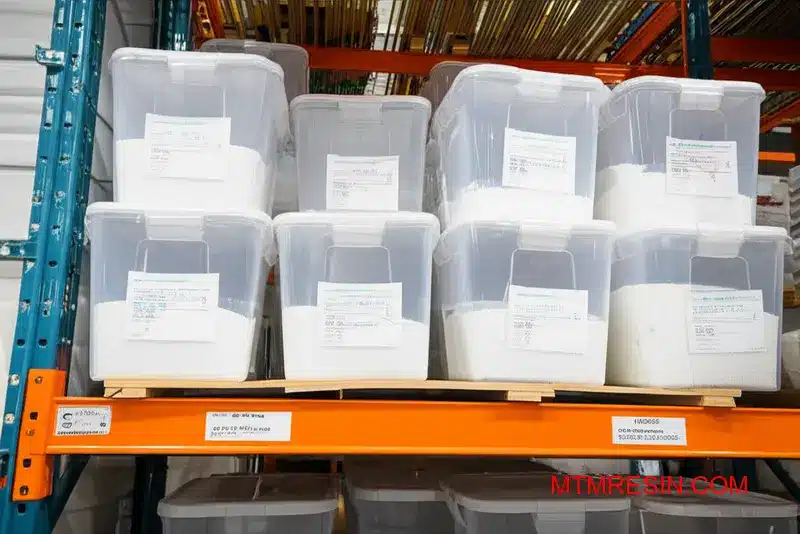
Our role as a local resin supplier in China is more than just holding inventory. We provide a strategic advantage that enhances project agility. When a mold needs a slight modification, you don’t have to wait another month for a second batch of Zytel to arrive for re-testing.
The Impact on Project Timelines
Immediate material access allows for rapid iteration. If the first trial reveals an issue, a second trial can be conducted within days, not weeks. This speed is critical for meeting tight deadlines and getting products to market faster. We provide the MTM plastic support that engineers need.
| Trial Phase | Traditional Timeline | MTM-Supported Timeline |
|---|---|---|
| Material Arrival | 4 Weeks | 2 Days |
| First Trial (T1) | Week 5 | Week 1 |
| Second Trial (T2) | Week 10 | Week 2 |
Ensuring Material Integrity
A key concern for engineers is material consistency. The Zytel we stock is the genuine, specified grade, ensuring that your trial results are valid and directly comparable to mass production. We manage the supply chain to guarantee material integrity, so your tests on properties like viscosity3 are accurate.
With a reliable local partner, teams can focus on optimizing the mold and process parameters, not on logistics. This shift in focus is what ultimately accelerates development and reduces costly delays. We help teams achieve this efficiency.
MTM’s local inventory of Zytel resin in China transforms mold trials by eliminating international shipping delays. This ensures rapid testing, maintains project momentum, and provides engineers with the exact materials needed for accurate validation, significantly improving overall project efficiency.
Will The China-Sourced Zytel Be Consistent With Your Design Specs?
When your mold trial is in China, ensuring the Zytel resin matches your original design specifications is a major concern. Using a locally sourced "equivalent" can introduce risks, potentially compromising the final product’s integrity and causing costly delays. The differences can be subtle but significant.
The Challenge of "Equivalents"
A material labeled as an equivalent might not share the exact same additive package or processing characteristics. This variation can affect everything from shrinkage rates to the part’s final mechanical strength, directly impacting your project’s success and timeline.
Why Data Sheets Can Be Misleading
Comparing data sheets is a good start, but it doesn’t tell the whole story. Manufacturing processes and regional formulations can lead to performance differences not captured in standard documentation.
| Property | Original Spec (EU) | Potential Local Variant |
|---|---|---|
| Melt Flow Rate | 18 g/10 min | 21 g/10 min |
| Impact Strength | 5.5 kJ/m² | 4.8 kJ/m² |
| Additive | Heat Stabilizer A | Heat Stabilizer B |

Moving mold trials across borders introduces logistical hurdles that can disrupt material consistency. The core challenge is guaranteeing that the Zytel available in China performs identically to the material specified in your original design. Relying solely on a brand name isn’t enough for ensuring Zytel consistency.
Ensuring Resin Grade Verification
At MTM, we address this through a rigorous resin grade verification process. We don’t just find a similar product; we procure the exact grade code you require. This ensures the material’s Polymer Morphology4 and performance characteristics align perfectly with your engineering plastic standards.
Our Verification Protocol
If the exact grade is unavailable, we provide a transparent technical comparison. Our team analyzes critical data points to find a certified alternative that meets your specs without compromise. This process eliminates guesswork and ensures your trial runs smoothly.
| Verification Step | MTM’s Action | Client Benefit |
|---|---|---|
| Grade Identification | We confirm the precise grade and manufacturer code. | Eliminates formulation ambiguity. |
| Data Sheet Analysis | We compare key technical properties side-by-side. | Provides a clear performance preview. |
| Batch Traceability | We provide documentation tracing the material to its source. | Ensures accountability and quality control. |
Sourcing Zytel in China requires more than just matching a name. True consistency comes from meticulous resin grade verification to ensure the material aligns with your engineering standards. My team at MTM handles this to prevent project delays and protect product integrity.
Can You Trust Substitute Grades For Zytel Resin?
When a specified Zytel grade is unavailable for your mold trial in China, the project doesn’t have to stop. However, moving to a substitute requires a careful, structured approach. Trust is earned through data and testing, not by simply looking at a brand name or a price tag.
The Qualification Path
The key is a systematic validation process. Simply matching one or two properties on a datasheet is not enough. We must verify that the Zytel alternative grade performs correctly under real-world processing conditions and meets all final part requirements. It’s a multi-step verification.
Vetting Potential Replacements
A disciplined approach prevents costly errors down the line. We compare critical data points first, then move to physical testing to ensure the substitute resin behaves as expected in the mold.
| Evaluation Stage | Primary Goal | Key Action |
|---|---|---|
| Datasheet Review | Initial Screening | Compare key mechanical and thermal properties |
| Performance Trial | Practical Validation | Conduct a mold trial with the substitute material |
| Customer Review | Final Approval | Send sample parts for customer sign-off |
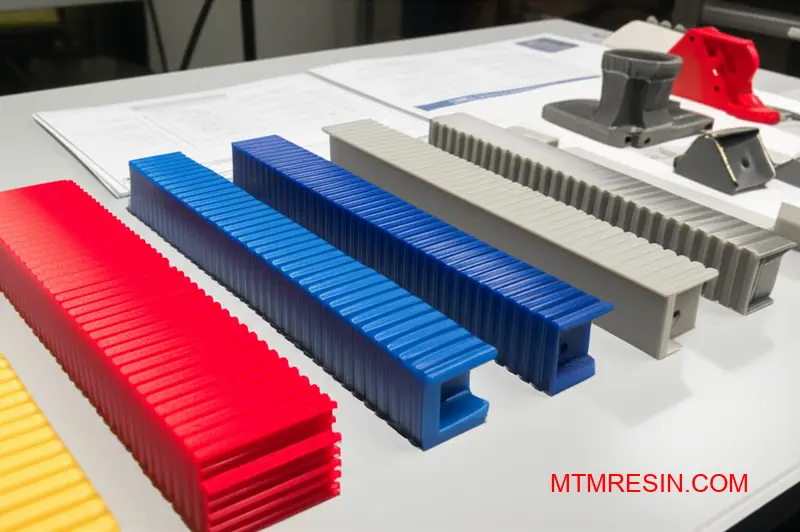
Successfully qualifying a substitute for a specific Zytel resin involves a clear, three-stage resin approval process. This ensures that performance is not compromised and that your project timelines remain on track, a service we facilitate at MTM by having materials ready in China.
Step 1: Matching Polymer Properties on Paper
The process always begins with a detailed comparison of technical datasheets. We look beyond just the material family. We focus on matching critical performance indicators like tensile strength, flexural modulus, heat deflection temperature (HDT), and melt flow index. Small differences can have big impacts.
| Property | Original Zytel Grade | Potential Substitute |
|---|---|---|
| Melt Flow Rate | 10 g/10 min | 9.5 g/10 min |
| Tensile Strength | 80 MPa | 78 MPa |
| HDT @ 0.45 MPa | 190 °C | 185 °C |
Step 2: The Essential Mold Trial
A datasheet only tells part of the story. A physical mold trial is non-negotiable. This is where we see how the Zytel alternative grade processes. We check for issues like mold fill, warpage, sink marks, and surface finish. Processing parameters may need adjustment, and the final part’s Crystallinity5 can affect its dimensional stability and strength.
Step 3: Securing Customer Approval
Once the trial is complete and we have good parts, the final step is sending these samples to the end customer. They perform their own tests to confirm the parts meet all functional and aesthetic requirements. Only with their formal sign-off is the substitute officially approved.
Qualifying a Zytel substitute is a diligent process. It demands careful datasheet analysis, a mandatory performance trial to verify real-world behavior, and final customer approval. This structured method ensures material reliability and protects your project from unexpected setbacks.
Does Local Zytel Resin Meet Export Market Compliance?
When sourcing Zytel resin locally in China, a primary concern is whether it meets export market regulations. The short answer is yes, but it requires careful verification. Your final product’s destination dictates the specific compliance standards it must meet, such as RoHS for Europe.
Navigating Global Standards
Different regions have unique requirements. The EU’s REACH and RoHS directives are the most common hurdles for electronics and consumer goods. Ensuring your material supplier provides full documentation is the first step toward successful Zytel compliance for export.
Key Compliance Checks
Before committing to a local batch, always request the material documentation. This confirms the grade’s specifications align with your project’s needs and global plastic regulations.
| Standard | Primary Focus | Region |
|---|---|---|
| RoHS | Restriction of Hazardous Substances | European Union |
| REACH | Registration, Evaluation, Authorisation of Chemicals | European Union |
| Prop 65 | Safe Drinking Water and Toxic Enforcement | California, USA |

Successfully navigating export compliance hinges on thorough documentation. It’s not just about the Zytel resin itself but also about proving it meets the standards of your target market. I always advise clients to treat material documentation as a critical part of their supply chain.
The Role of Material Documentation
A Certificate of Analysis (CoA) and Safety Data Sheet (SDS) are the bare minimum. For specific regulations, you need detailed test reports verifying compliance with standards like RoHS. These documents provide the traceability needed to satisfy regulators in Europe or North America. Our work at MTM often involves securing these exact reports for clients.
Critical Compliance Terms
Beyond the main certificates, understanding terms like Halogen-free6 is vital, especially for electronics applications. This requirement is becoming standard in many eco-conscious markets and directly impacts material selection. Failing to verify this can lead to costly product rejections.
| Document Type | Purpose |
|---|---|
| CoA | Confirms batch-specific properties |
| SDS | Details safe handling and chemical composition |
| RoHS Report | Verifies absence of restricted substances |
Local Zytel resin can meet export compliance, but diligent verification is essential. Securing comprehensive material documentation, including specific reports for RoHS and REACH, is non-negotiable. This ensures your products meet international standards and avoid costly delays or rejections at the border.
What Are The Most Common Zytel Grades Used In Mold Trials?
When preparing for a mold trial, selecting the right Zytel grade is a critical first step. The choice directly impacts the final part’s performance and manufacturability. Over the years, I’ve seen clients repeatedly specify a few key families based on their project needs. These materials are chosen for their specific engineering properties.
The Go-To Grades
Zytel PA66 is often the starting point for many applications due to its excellent balance of stiffness and toughness. For more demanding environments, especially in electronics, flame-retardant (FR) grades and high-temperature nylon (HTN) are essential. Getting the material selection right prevents costly trial-and-error.
Common Zytel Families for Trials
| Grade Family | Key Characteristic | Typical Application |
|---|---|---|
| Zytel PA66 | Balanced stiffness and toughness | Automotive clips, fasteners |
| Zytel HTN | High-temperature resistance | Electronic connectors, SMT parts |
| Zytel FR | Flame retardant properties | Electrical housings, switches |
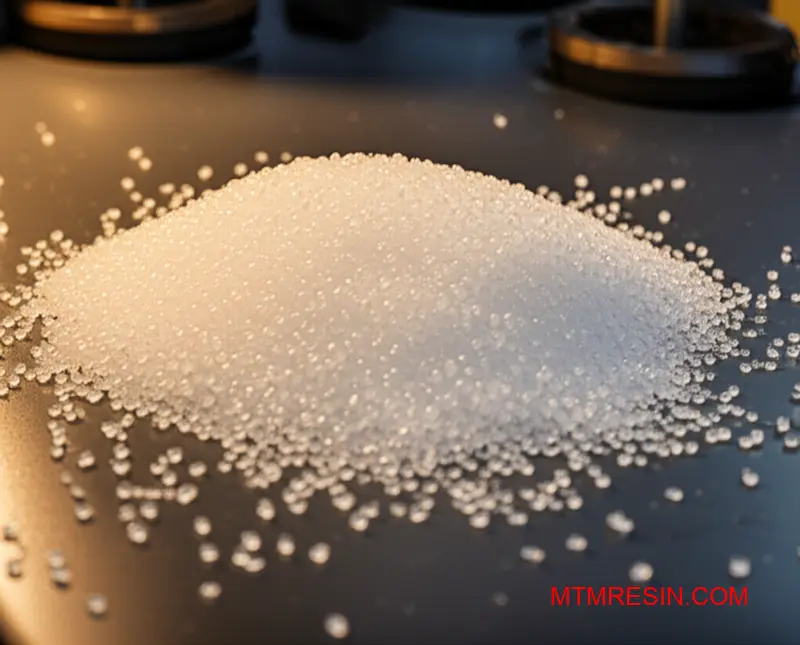
Matching Zytel Grades to Mold Trial Scenarios
Choosing a material goes beyond the datasheet. It’s about how the resin behaves in your specific mold. Each Zytel grade presents unique challenges and opportunities during the injection molding process, which is why trials are so important for validation.
Automotive Applications with Zytel 66
In the automotive sector, Zytel 66 is a frequent choice for under-the-hood components. We often supply it for trials of parts like fasteners or small housings. The goal is to verify that the part can withstand mechanical stress and moderate heat without failure, confirming its durability.
Electronics and Zytel HTN
For electronics, especially components that undergo reflow soldering, Zytel HTN is the standard. Its high-temperature performance is non-negotiable. During trials, we focus on whether the part maintains its dimensional stability and Dielectric Strength7 after thermal cycling. Zytel HTN for injection molding is formulated to handle these precise demands.
The Role of Flame-Retardant Engineering Plastics
When a product requires a UL V-0 rating, using flame-retardant engineering plastics like Zytel FR grades is mandatory. A mold trial confirms that the flame-retardant additives do not negatively affect mold flow or surface finish. At MTM, we stock these specific grades in China to avoid project delays.
Choosing the correct Zytel grade, from the robust Zytel 66 to specialized HTN and FR variants, is critical for successful mold trials. Having these materials readily available ensures your project timeline for automotive or electronics applications remains on track.
Accelerate Your Next Mold Trial With MTM’s Zytel Advantage
Ready to streamline your mold trial process in China? Partner with MTM for immediate access to genuine Zytel resin grades or verified alternatives—pre-stocked and compliance-assured. Send us your project requirements now for a fast quote and unbeatable material support. Don’t let sourcing delays stop your innovation!

-
Understand how material flow science predicts molding outcomes and prevents defects. ↩
-
Understand how this core material property influences part stiffness and performance under load. ↩
-
Explore how this property impacts material flow and final part quality. ↩
-
Understanding this helps predict how material structure impacts final performance and long-term durability. ↩
-
Understanding this property helps predict a material’s final shrinkage, strength, and chemical resistance. ↩
-
Understand how halogen content affects electronics safety and environmental rules. ↩
-
Understanding this property is crucial for designing safe and reliable high-voltage electronic components. ↩