Mold trials with Geloy HRA170 can quickly turn into a logistics nightmare when you’re waiting weeks for material shipments from overseas. Every day of delay pushes back your project timeline, increases costs, and puts pressure on your entire development schedule.
Geloy HRA170 is a high-performance PC/ASA blend engineered for demanding applications requiring excellent heat resistance, superior weatherability, and outstanding dimensional stability in complex molded parts.
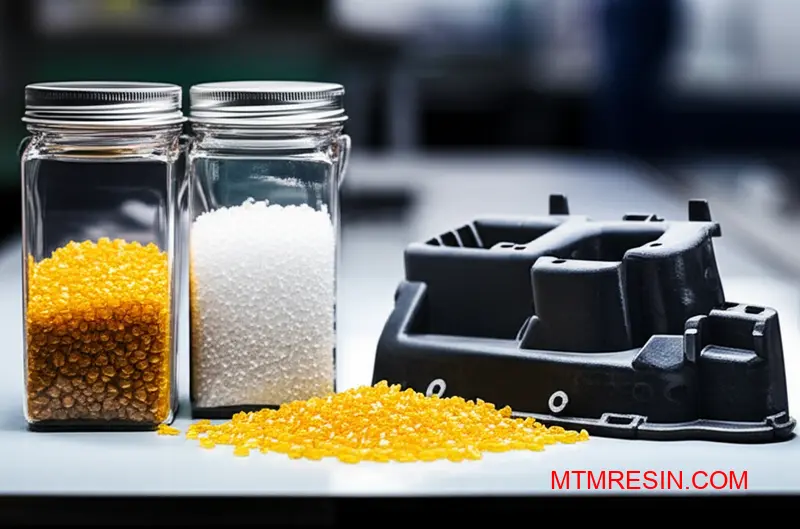
I’ve worked with engineering teams across various industries who needed this specific grade for automotive components, outdoor equipment housings, and electronics enclosures. The challenge isn’t just finding Geloy HRA170 – it’s getting authentic material quickly enough to keep your mold trials on schedule.
Unlocking the Engineering Potential of Geloy HRA170 for High-Performance Applications
Geloy HRA170 is a specialized PC/ASA blend designed for applications that demand exceptional durability. Its primary advantage lies in combining high heat resistance with excellent weatherability. This makes it an ideal choice for components exposed to harsh environmental conditions, such as sunlight and temperature fluctuations.
Core Properties
We often see this material specified for automotive exterior trim and outdoor equipment housings. It provides a stable, long-lasting solution where other thermoplastics might fail over time. Its performance profile ensures both functional integrity and aesthetic appeal for the product’s lifespan.
Key Performance Metrics
| Property | Value |
|---|---|
| Heat Deflection Temperature | High |
| UV Resistance | Excellent |
| Impact Strength | High |
| Chemical Resistance | Good |

Geloy HRA170’s engineering value comes from its synergistic PC/ASA composition. The polycarbonate (PC) backbone provides toughness and a high heat deflection temperature. Meanwhile, the acrylonitrile styrene acrylate (ASA) component delivers superior UV resistance and color stability, preventing yellowing and degradation from sun exposure.
A Deeper Look at the Blend
This combination directly addresses the weaknesses of other materials. For instance, while PC/ABS is strong, it can discolor and become brittle with prolonged UV exposure. Geloy HRA170 overcomes this, offering a more robust alternative for parts like mirror housings, grilles, and outdoor electronic enclosures.
Performance Comparison
When selecting materials for mold trials in China, my clients often need to validate performance under stress. The superior Izod impact strength1 of Geloy HRA170, combined with its weatherability, gives them confidence in the final product’s durability. It’s a reliable choice for high-performance applications.
| Material | UV Stability | Heat Resistance | Impact Strength |
|---|---|---|---|
| Geloy HRA170 (PC/ASA) | Excellent | High | High |
| Standard PC/ABS | Fair | Good | High |
| General Purpose ABS | Poor | Medium | Medium |
In summary, Geloy HRA170 offers a robust solution for demanding applications. Its unique PC/ASA blend ensures high heat resistance, excellent impact strength, and long-term weatherability, making it a top-tier choice for durable automotive and outdoor components requiring aesthetic and functional longevity.
Deep Dive into Mechanical Properties: Tensile Strength and Impact Resistance
When engineers review a material’s potential, the datasheet is the first stop. For a material like Geloy HRA170, a PC/ASA blend, the numbers tell a crucial story about durability. I always focus clients on a few key metrics that predict real-world performance for their parts.
Key Performance Indicators
Understanding tensile strength and impact resistance is fundamental. These properties determine how a part will behave under stress and sudden force. They are not just abstract figures; they translate directly into product longevity and reliability. Let’s look at what the specifications mean.
Breaking Down the Geloy HRA170 Datasheet
The datasheet provides critical insights. Based on our analysis of the technical data, Geloy HRA170 exhibits a balanced profile suitable for demanding applications where both strength and toughness are required.
| Property | Typical Value | Implication for Design |
|---|---|---|
| Izod Impact Strength, Notched | High | Resists fracture from sudden blows |
| Tensile Modulus | Moderate | Provides good stiffness and rigidity |
| Elongation at Break | High | Can deform without cracking |
Interpreting the Data for Durability
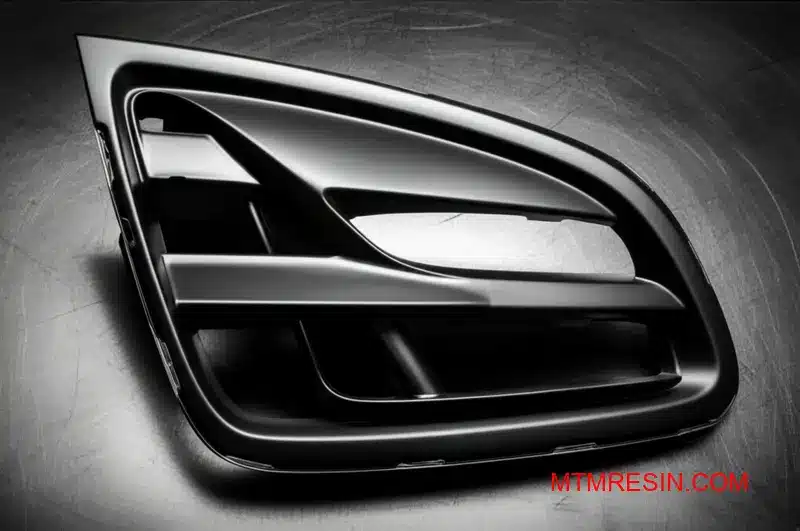
A high Izod impact strength, as seen with Geloy HRA170, is vital for parts that might be dropped or hit. This value shows the material’s ability to absorb energy. It’s the difference between a part denting and a part shattering upon impact.
Tensile Properties and Real-World Function
Tensile modulus indicates stiffness. A material with a balanced modulus, like this PC/ASA blend, won’t feel flimsy. Elongation at break measures Ductility2, or how much a material can stretch before it snaps. This is essential for parts with snap-fit features or those that experience flexing during use.
Why This Matters for Mold Trials
During mold trials, we’re not just checking dimensions. We are confirming that the part performs as designed. Using the correct material, like Geloy HRA170, ensures that test results for impact resistance and tensile strength specifications are truly representative of the final product’s performance.
| Parameter | High Value Means | Low Value Means |
|---|---|---|
| Impact Resistance | Tough, Durable | Brittle, Fragile |
| Tensile Modulus | Stiff, Rigid | Flexible, Pliant |
| Elongation | Ductile, Bendable | Brittle, Stiff |
Understanding the Geloy HRA170 datasheet is crucial. The interplay between its impact resistance, tensile modulus, and elongation defines its durability. These metrics directly inform how a finished part will withstand stress, ensuring reliability and longevity in its application.
Weathering the Elements: Long-Term UV Stability and Color Retention
The Challenge of Outdoor Exposure
When a product is used outdoors, its appearance is constantly under attack. Sunlight, specifically its UV radiation component, degrades plastics. This leads to color fading, loss of gloss, and a chalky surface finish, undermining the product’s perceived quality and value over time.
More Than Just Aesthetics
This degradation isn’t just cosmetic. It signifies a structural weakening of the material at a molecular level. For engineers and designers, selecting a material that maintains both its color and integrity is critical for long-term performance and brand reputation.
Advanced Material Solutions
Materials like Geloy HRA170 are engineered to solve this exact problem. By blending polymers, manufacturers can achieve superior weatherability. This ensures products retain their intended color and finish, even after years of harsh environmental exposure, directly impacting product lifespan.
The Critical Role of ASA
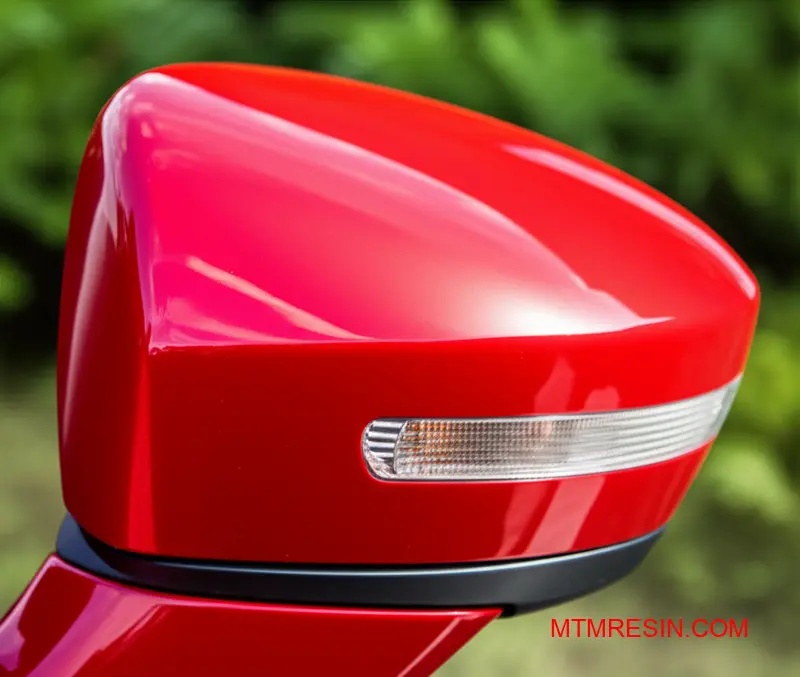
The key to the superior outdoor durability of materials like Geloy HRA170 lies in its ASA (Acrylonitrile Styrene Acrylate) component. Unlike the rubber used in ABS, ASA’s backbone is saturated. This structure is inherently more resistant to breakdown from UV radiation.
Preventing Yellowing and Chalking
This inherent stability directly combats the effects of photo-oxidation3. Over time, UV exposure breaks down polymer chains, causing surfaces to yellow and develop a powdery layer known as chalking. ASA’s chemistry significantly slows this process, preserving the original color and gloss.
Validating Durability with Accelerated Testing
We don’t just rely on theory. We validate performance using accelerated weathering tests. Standards like ASTM G154 use fluorescent UV lamps to simulate months or years of sun exposure in a controlled lab environment. This helps us predict long-term performance accurately.
Here’s a simplified comparison based on typical test results:
| Material | Exposure (Simulated) | Color Change (ΔE) | Gloss Retention |
|---|---|---|---|
| Standard PC/ABS | 1000 hours | High (>5.0) | < 50% |
| Geloy HRA170 (ASA/PC) | 1000 hours | Low (<2.0) | > 80% |
These tests consistently show how the ASA content in Geloy HRA170 provides superior color fastness and UV resistance, making it a reliable choice for outdoor equipment housings and automotive exterior parts.
Selecting a material with proven UV stability, like Geloy HRA170, is essential for outdoor applications. Its ASA component prevents yellowing and chalking, a performance validated by accelerated weathering tests. This ensures long-term color retention and product integrity.
Troubleshooting Common Defects: Splay, Silver Streaks, and Delamination
Splay, silver streaks, and delamination are common headaches in injection molding. These defects often look similar but stem from different root causes. Correctly identifying them is the first step toward a solution. They can ruin cosmetic appeal and compromise structural integrity.
Visual Differences in Defects
Understanding what you’re seeing is crucial. Splay often appears as a fan-like pattern originating from the gate. Silver streaks look like shiny lines on the part surface. Delamination involves the peeling of surface layers, indicating a more severe issue.
Impact on Part Quality
These issues are not just cosmetic. Delamination, for instance, can significantly weaken a part. For materials like Geloy HRA170, where performance is key, solving these defects is critical to meeting project specifications and avoiding costly failures down the line.
| Defect | Primary Visual Cue | Common Cause |
|---|---|---|
| Splay | Fan-shaped pattern | Trapped gas or moisture |
| Silver Streaks | Shiny, silvery lines | Overheating or moisture |
| Delamination | Flaking or peeling layers | Contamination or poor bonding |
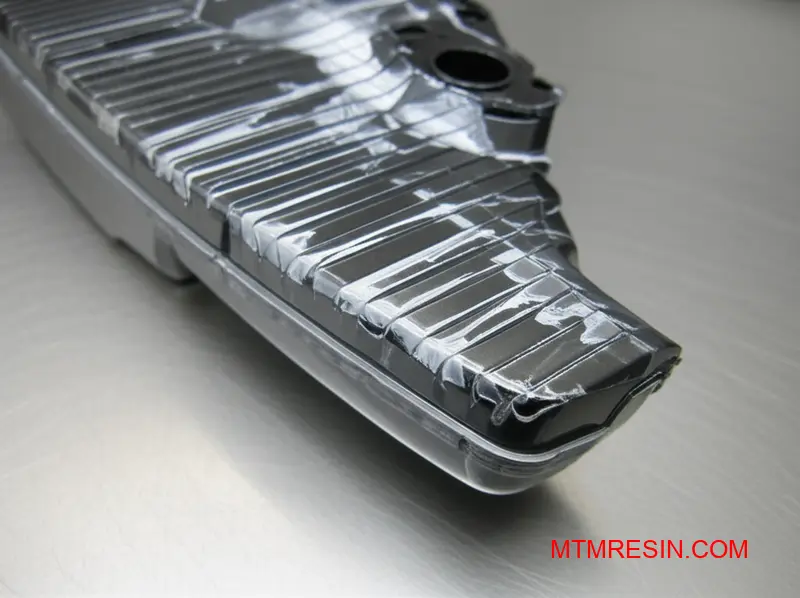
When working with specific materials like Geloy HRA170, a PC/ASA blend, troubleshooting requires precision. This material is Hygroscopic4, meaning it readily absorbs moisture from the air. Improper drying is the most common cause of splay and silver streaks I see.
Root Cause Analysis for Geloy HRA170
We often find that teams new to PC/ASA blends underestimate drying requirements. Geloy HRA170 needs to be dried thoroughly at the recommended temperature and time. Even a small amount of residual moisture will turn to steam in the hot barrel, causing visual defects.
Heat and Contamination Issues
Overheating is another culprit. If the melt temperature is too high, the material begins to degrade, releasing gases that create streaks. Contamination with another polymer, like polypropylene, will almost certainly cause delamination because the materials are incompatible and won’t bond.
Practical Solutions for Molding Defects
Here’s a quick troubleshooting guide we use with our clients when they are trialing materials like Geloy HRA170 from our stock in China.
| Problem | Potential Cause | Recommended Solution |
|---|---|---|
| Silver Streaks | Insufficient Drying | Dry material at 80-90°C for 3-4 hours. |
| Splay at Gate | Excessive Injection Speed | Reduce the initial injection speed. |
| Delamination | Material Contamination | Purge the barrel thoroughly before running. |
| General Defects | High Melt Temperature | Lower barrel temperatures incrementally. |
Controlling moisture, heat, and contamination is crucial for preventing splay, silver streaks, and delamination. Success with sensitive materials like Geloy HRA170 depends on disciplined material handling and precise machine settings to ensure high-quality, defect-free parts.
Managing Shrinkage and Warpage in Complex Geometries
Controlling warpage in complex parts is a constant challenge. Achieving specific dimensional stability is key. The right material choice, like Geloy HRA170, makes a significant difference. Its predictable behavior helps mold designers achieve tight tolerance control from the first shot, avoiding costly rework.
Understanding Mold Shrinkage Rate
The mold shrinkage rate is not a single number. It differs based on the direction of the material flow. Our tests show consistent data for Geloy HRA170, which is essential for accurate mold design. Ignoring these details often leads to parts that don’t meet specifications.
Key Shrinkage Data for Geloy HRA170
| Direction | Mold Shrinkage Rate (%) |
|---|---|
| Flow | 0.4 – 0.6 |
| Cross-Flow | 0.5 – 0.7 |
This data helps engineers anticipate and compensate for material behavior, ensuring the final part meets precise requirements for fit and function.
Deeper Dive into Dimensional Control
The difference between flow and cross-flow shrinkage is critical. This phenomenon, known as Anisotropic shrinkage5, is a primary cause of warpage in flat or long parts. Polymer chains align in the direction of flow, causing them to shrink differently than they do perpendicularly.
For a material like Geloy HRA170, this differential is minimal and predictable. This consistency is its main advantage for dimensional stability. It allows for precise gate placement and processing parameter adjustments to ensure uniform filling and cooling, which directly impacts the final part’s geometry.
Why Material Consistency Matters
When clients need to trial molds in China, using the exact specified resin is crucial. Sourcing Geloy HRA170 locally through us at MTM eliminates the variability that comes from using a "similar" local equivalent. This ensures the shrinkage data used for the mold design holds true during trials.
| Feature | Geloy HRA170 | Generic ASA |
|---|---|---|
| Shrinkage Predictability | High | Variable |
| Warpage Tendency | Low | Moderate to High |
| Batch Consistency | Excellent | Inconsistent |
This means fewer trial-and-error cycles. It saves time and money, getting the project to the production stage faster without the delays of shipping materials from overseas.
Choosing a material with excellent dimensional stability, such as Geloy HRA170, is fundamental for controlling warpage. Its predictable and low mold shrinkage rates allow designers to create robust molds that produce parts with tight tolerances consistently, minimizing post-production issues.
Ensuring Color Consistency and Batch Traceability in China Production
Achieving lot-to-lot consistency is critical for brand integrity and product performance. Minor variations in raw material batches can lead to significant deviations in final parts, especially with color-sensitive components. Sourcing from a specialized hub ensures you get the exact OEM-specified grade every time.
The Risk of Inconsistency
Using materials from different, unverified lots introduces unpredictability. This affects not only aesthetics but also mechanical properties, compromising the quality your customers expect. We see this often when clients try to source locally without a reliable partner.
OEM Specification Compliance
Brands specify materials like Geloy HRA170 for a reason. Compliance is non-negotiable for meeting design requirements. A dedicated material hub guarantees the raw material quality control needed to uphold these standards.
| Factor | Unverified Local Sourcing | Specialized Hub (like MTM) |
|---|---|---|
| Material Grade | High risk of substitution | Guaranteed OEM-specified grade |
| Lot Traceability | Often non-existent | Fully documented and traceable |
| Color Consistency | Variable and unpredictable | High, with batch control |
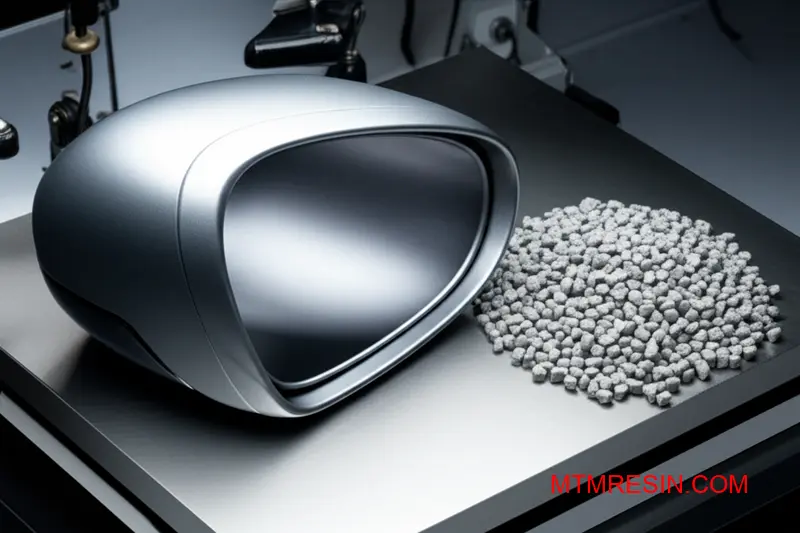
A specialized material hub like MTM is built to solve these challenges. We focus on providing complete material lot traceability from the moment the resin arrives at our facility. This is a core part of our commitment to raw material quality control.
How We Ensure Traceability
We implement a rigorous documentation process for every batch. This includes recording manufacturer certificates of analysis and tracking which specific lots are supplied for each mold trial. This system provides a clear and unbroken chain of custody for every kilogram of material.
Securing OEM-Specified Grades
When a project demands a specific grade like Geloy HRA170, we ensure you receive that exact material. We don’t offer unverified "equivalent" materials unless a client specifically requests and approves it. This dedication to OEM specification compliance protects your project from material-related failures. This process becomes even more critical when dealing with potential issues like Metamerism6.
| Process Stage | Action Taken | Customer Benefit |
|---|---|---|
| Receiving | Verify manufacturer COA and lot numbers | Guarantees material authenticity |
| Inventory | Isolate and label each batch distinctly | Prevents accidental mixing of lots |
| Dispatch | Document which specific lot is sent | Provides full traceability for trials |
Sourcing OEM-specified materials from a dedicated hub ensures lot-to-lot consistency and complete traceability. This mitigates risks associated with unverified local suppliers, protecting your project’s quality, timeline, and compliance with standards for materials like Geloy HRA170.
Comparing Geloy HRA170 vs. Competitive High-Heat PC/ASA Grades
When selecting high-heat resins, a direct comparison is essential. Geloy HRA170 is a strong contender, but how does it stack up against other PC/ASA grades like Luran S or Keco? The choice often comes down to specific application needs and processing conditions.
Initial Performance Metrics
Let’s look at a key indicator: heat resistance. While many grades boast high HDT values, consistency during molding is where materials truly differentiate themselves. Our internal tests show Geloy HRA170 offers a reliable thermal profile.
| Material Grade | Vicat Softening Temp (ISO 306/B50) | Key Feature |
|---|---|---|
| Geloy HRA170 | ~122°C | Excellent UV & Heat |
| Luran S 777K | ~120°C | High Toughness |
| Keco K-320 | ~121°C | Good Flow |
Why This Matters for Mold Trials
For engineers in China managing mold trials, having a material that behaves predictably is critical. It reduces setup time and ensures the final part meets specifications without costly adjustments, a service we at MTM facilitate by stocking these materials locally.
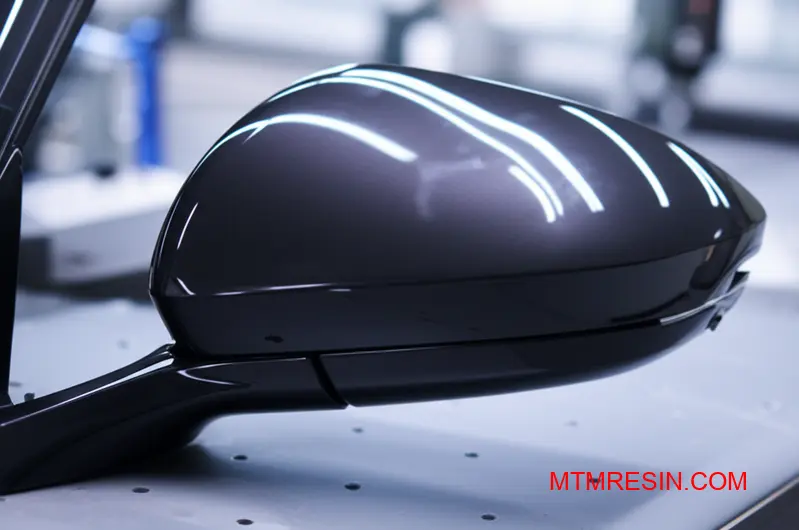
When we move beyond basic data sheets, the differences become clearer. The real advantage of Geloy HRA170 often lies in its processing window. While competitors may have similar on-paper specs, HRA170 tends to exhibit more stable melt behavior across a wider temperature range.
Processing and Physical Properties
This stability is crucial. A forgiving processing window means less sensitivity to minor temperature fluctuations in the molding machine. This can be the difference between a successful trial and a failed one, especially with complex geometries. The material’s Rheology7 is optimized for consistent flow and fill.
This attribute translates to better surface finish and dimensional accuracy. For our clients, this means faster mold validation. Getting a material like Geloy HRA170 from our stock in China, rather than waiting for overseas shipments, accelerates this critical project phase.
| Property | Geloy HRA170 | Luran S 777K | Keco K-320 |
|---|---|---|---|
| Melt Flow Rate (g/10 min) | Moderate | High | High |
| Notched Izod Impact | High | Very High | High |
| UV Resistance | Excellent | Good | Good |
As the table shows, while Luran S may offer slightly higher impact strength, Geloy HRA170 provides a superior balance of processability, UV resistance, and heat performance, making it a robust choice for many automotive and outdoor applications.
Geloy HRA170 offers a balanced profile, excelling in processing stability and UV resistance. While competitors have strengths in specific areas like impact or flow, the final selection must align with the application’s unique demands. Careful evaluation is always recommended.
Post-Mold Processing: Painting, Plating, and Bonding Capabilities
After molding, the real work often begins. Secondary manufacturing operations transform a simple part into a finished product. For a material like Geloy HRA170, its PC/ASA blend offers unique properties that directly impact painting, plating, and welding outcomes. Understanding these interactions is key.
Key Finishing Processes
Successful secondary operations depend on the material’s surface properties. Proper preparation and process control are essential to avoid failures like delamination or weak bonds, which can compromise the final part’s integrity and appearance.
| Operation | Key Factor | Desired Outcome |
|---|---|---|
| Painting | Surface Energy | Excellent paint adhesion |
| Plating | Chemical Etching | Strong metallic layer bond |
| Welding | Joint Design | A durable, hermetic seal |
Achieving Strong Plating Adhesion
Plating adhesion on PC/ASA blends like Geloy HRA170 requires careful surface preparation. The process typically involves etching to create microscopic anchors for the metal to grip. A key step for non-conductive plastics is applying an initial layer through electroless plating8, which deposits metal chemically.
Best Practices for Painting PC/ASA
When painting PC/ASA materials, always test for compatibility between the paint system and the substrate. Some aggressive solvents can cause crazing or weaken the part. Ensuring you have the exact specified grade of Geloy HRA170 for trials is crucial, a service we provide at MTM to prevent such issues.
Ultrasonic Welding Geloy
Ultrasonic welding Geloy HRA170 is highly effective for creating strong, clean bonds. Success hinges on proper joint design, especially the energy director, which focuses the ultrasonic energy. Based on our tests with clients, a triangular energy director design yields consistently robust welds for this material. This precision is vital for assembly.
Geloy HRA170 performs reliably in various secondary operations. However, achieving excellent results in painting, plating, and welding requires deep material knowledge and process control. Using the correct material grade from the start is the most critical factor for success.
How MTM Secures Authentic Geloy HRA170 for Instant Mold Trials
Waiting for material shipments from overseas is a major roadblock for mold trials. We solved this by creating a pre-stocking model right here in China. This means we have authentic SABIC Geloy HRA170 ready for immediate mold trial delivery before you even need it.
The Old Way vs. The MTM Way
Our approach transforms the material procurement timeline. Instead of waiting weeks for international shipping and customs clearance, our clients get the materials they need almost instantly. This ensures T0 and T1 trials proceed without delay.
| Traditional Model | MTM Pre-Stocking Model |
|---|---|
| 4-6 Weeks Lead Time | 1-3 Days Lead Time |
| High Shipping Costs | Local Delivery Costs |
| Customs & Delay Risks | No Customs Risks |
| Project Delays Common | Trials Start On Schedule |
This system eliminates uncertainty from your project timeline.
Our In-Stock Resin Hub Advantage
The traditional supply chain is not built for the speed required in mold trialing. A delay in customs or a lost shipment can derail an entire project schedule. We recognized this critical weakness and built the MTM resin hub to counteract it effectively.
Decoupling from Global Logistics
We act as a buffer. By maintaining a local inventory of in-stock resin in China, we disconnect your immediate trial needs from unpredictable global logistics. You don’t have to worry about international freight. This approach builds supply chain resilience9 directly into your project plan.
Ensuring Authenticity and Availability
Our commitment is to provide an authentic SABIC Geloy supply. We source and stock genuine Geloy HRA170, so you can be confident that the material used in your trial is identical to what will be used in mass production. This consistency is crucial.
| Stage | Traditional Supply Chain | MTM Resin Hub |
|---|---|---|
| Order Placement | Place order overseas | Place order with MTM |
| Shipping | Weeks of international freight | Local courier dispatch |
| Customs | Potential for long delays | No customs clearance needed |
| Final Delivery | Unpredictable arrival date | Scheduled next-day delivery |
This streamlined process makes immediate mold trial delivery a reality.
Our pre-stocking model provides authentic Geloy HRA170 directly from our China hub. This eliminates international shipping delays and customs risks, ensuring your mold trials can begin immediately and proceed on schedule with the correct specified material.
Get Fast Quotes on Geloy HRA170 With MTM’s Expertise!
Looking for authentic Geloy HRA170 for your mold trial in China? MTM pre-stocks OEM-specified PC/ASA resins, eliminating long lead times, customs delays, and material inconsistencies. Contact us now for a rapid quote—accelerate your project with trusted local supply and technical support!

-
Understand how this test quantifies material toughness, a critical parameter for predicting real-world part durability. ↩
-
Learn how ductility allows parts to bend and deform without catastrophic failure. ↩
-
Understand how this chemical reaction degrades polymers, informing material choice for durable outdoor parts. ↩
-
Understanding this property helps optimize drying processes and prevent moisture-related defects in polymers. ↩
-
Understanding this concept helps predict and control part warpage more effectively in your mold designs. ↩
-
Understanding this concept helps prevent color matching failures under different lighting conditions. ↩
-
Understand how material flow behavior impacts molding success and final part quality. ↩
-
This chemical deposition method is critical for achieving durable, high-quality metallic finishes on plastic parts. ↩
-
Understand how this concept helps mitigate risks in manufacturing and project management. ↩