Navigating the Toyolac series can be overwhelming when your project timeline is tight. With over dozens of grades spanning general purpose, transparent, flame retardant, and specialty formulations, choosing the wrong grade during initial trials can delay your entire development cycle and force costly re-tooling decisions.
Toyolac resin is Toray’s comprehensive ABS product line featuring general purpose grades (100/700 series), transparent options (900 series), flame retardant variants (800 series), and specialty formulations designed for automotive, medical, and electronics applications, each optimized for specific processing requirements and end-use performance criteria.
I’ve worked with engineering teams who spent weeks evaluating different Toyolac grades only to discover compatibility issues during T1 trials. This guide walks through the complete grade selection process, processing optimization techniques, and reliable sourcing strategies to help you make confident material decisions from day one.
Choosing the right Toyolac grade can be a challenge. Toray’s portfolio is broad, offering solutions for many needs. Understanding the main Toray ABS categories is the first step in selecting a material for your Bill of Materials, even before a specific grade is finalized.
Key Toyolac Categories
The portfolio is primarily split between general purpose and specialty grades. This distinction helps narrow down choices based on performance requirements. Understanding this helps compare Toyolac general purpose vs specialty options.
Quick Comparison
This table provides a high-level overview to guide your initial selection.
| Category | Primary Attribute | Common Use Case |
|---|---|---|
| General Purpose | Balanced performance and cost | Electronic housings, toys |
| High Flow | Excellent processability | Thin-walled components |
| Transparent | High clarity and aesthetics | Light guides, displays |
| Heat Resistant | High-temperature stability | Automotive interior parts |
This initial breakdown is a great starting point before reviewing a detailed Toyolac grade list.
When engineers specify a Toyolac grade, they often focus on one key property. However, it’s crucial to consider the trade-offs. For instance, increasing heat resistance in a grade might slightly reduce its flowability or impact resistance. It’s a balancing act.
General Purpose vs. Specialty Grades
General-purpose grades like Toyolac 100 are excellent for applications needing a solid balance of strength, finish, and cost. They are reliable workhorses for many non-demanding consumer electronics and household goods. I’ve often seen them specified for projects where cost is a major driver.
However, when a design pushes boundaries, specialty grades become necessary.
High Flow Grades
For intricate designs with thin walls, high-flow grades ensure complete mold filling without excessive injection pressure. This reduces stress on the part and the mold, improving long-term durability.
Transparent Grades
Transparent Toyolac is a unique ABS offering optical clarity. It’s a great choice for light covers or displays where you need the impact strength of ABS combined with transparency, a property not always associated with this amorphous solid1.
Heat-Resistant Grades
Automotive interiors or electronics that generate heat demand materials that won’t deform. Heat-resistant grades are formulated to maintain their structural integrity at elevated temperatures, which is critical for safety and performance.
Navigating the Toyolac portfolio requires matching your application’s primary need—be it flow, clarity, or heat resistance—with the right category. This initial step simplifies material selection before diving into specific grade datasheets, ensuring a more efficient and successful outcome for your project.
Standard ABS Showdown: Toyolac 100 vs. Toyolac 700 Series
When selecting a general-purpose ABS, the choice often narrows to two reliable options from Toray: Toyolac 100 and the Toyolac 700 series. While both are excellent standard grades, their subtle differences directly impact final product performance and the molding process. Understanding these distinctions is crucial.
Key Performance Indicators
The main difference lies in their balance of flowability and toughness. Toyolac 100 is known for its high impact resistance, making it ideal for parts that need to withstand physical stress. In contrast, the Toyolac 700 series offers superior melt flow, which is essential for filling complex, thin-walled molds.
Quick Comparison
Here is a brief overview of their primary characteristics.
| Feature | Toyolac 100 | Toyolac 700 Series |
|---|---|---|
| Primary Strength | High Impact Resistance | High Flowability |
| Typical Use | Durable Housings, Helmets | Intricate Grilles, Office Equipment |
| Melt Flow Rate | Lower | Higher |
This decision affects everything from cycle times to the durability of the final part. Let’s delve deeper to help you make an informed choice.
When we dive into the technical data sheets, the trade-off becomes clear. The difference in performance is fundamentally tied to the polymer’s molecular structure. A higher Melt Flow Rate (MFR), as seen in the Toyolac 700 series, generally indicates shorter polymer chains. This allows the material to flow more easily into complex mold cavities.
Melt Flow vs. Impact Strength
However, this enhanced flowability comes at a cost to toughness. Toyolac 100, with its lower MFR, typically has longer polymer chains. These chains create more entanglements, resulting in higher Izod impact strength. This makes it a superior choice for robust electronic enclosures or automotive components that must absorb energy without fracturing. The study of material flow, or Rheology2, is central to understanding these behaviors.
Practical Molding Considerations
For mold trials here in China, these differences are critical. A high-flow material like Toyolac 700 can reduce injection pressure and shorten cycle times. This is perfect for high-volume production of items like printer housings or decorative trims. At MTM, we stock both Toyolac grades, so you can quickly test which one best fits your mold without waiting for overseas shipments.
| Parameter | Toyolac 100 | Toyolac 700 |
|---|---|---|
| Melt Flow Rate (g/10 min) | Lower | Higher |
| Izod Impact Strength (J/m) | Higher | Moderate |
| Molding Advantage | Durability | Thin-Wall Filling |
| Best For | Protective Covers | Complex Geometries |
In short, select Toyolac 100 for applications requiring maximum toughness and durability. Opt for the Toyolac 700 series when intricate designs, aesthetic details, and faster molding cycle times are the priority. Your project’s specific mechanical and processing needs will determine the best fit.
Mastering Transparency: A Deep Dive into Toyolac 900 Series
Unlocking Clarity with ABS
When projects demand both toughness and transparency, standard materials often fall short. This is where the Toyolac 900 series comes in. It’s an innovative ABS grade designed to deliver exceptional optical clarity without sacrificing the mechanical strength that ABS is known for.
Key Advantages
This series provides a unique combination of properties. You get high transparency, good impact resistance, and excellent processability. It’s a go-to choice for applications where aesthetics and durability are equally important, offering a reliable alternative to other clear plastics.
| Feature | Toyolac 900 Series | Standard ABS |
|---|---|---|
| Transparency | High (Clear) | Opaque |
| Impact Strength | Good to High | High |
| Processability | Excellent | Excellent |
| UV Resistance | Grade Dependent | Moderate |
Optical Performance in Detail
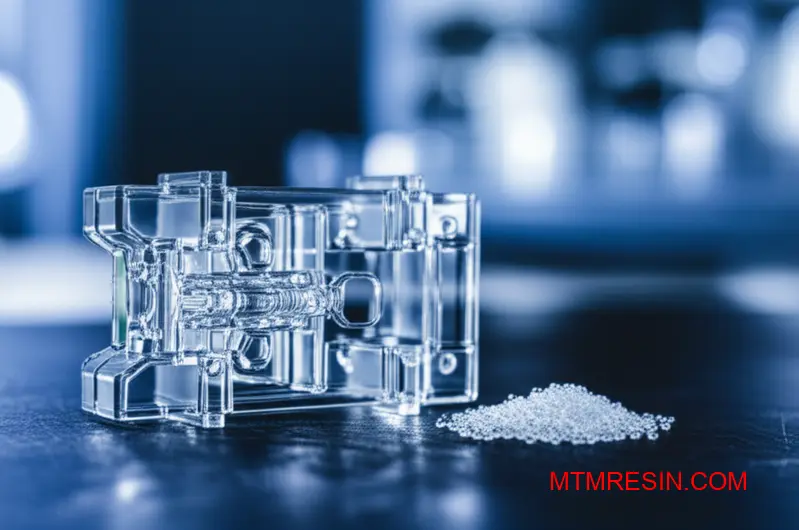
The Toyolac 900 series truly shines in its optical properties. Its light transmission is impressive for an ABS resin, making it suitable for display components and medical devices. We often see it specified for housings or covers that need to be both clear and durable.
Comparison with PMMA and PC
While PMMA (Acrylic) offers superior clarity and PC (Polycarbonate) provides higher impact strength, Toyolac 900 carves its own niche. It balances these attributes effectively. The material’s refractive index3 is a critical factor influencing its visual performance in final parts.
Our tests show it provides better impact resistance than PMMA and is easier to process than many PC grades, reducing cycle times. This balance is crucial. At MTM, we stock Toyolac 900 for clients who need rapid trials without importing materials.
| Material | Light Transmission | Impact Strength | Processing Ease |
|---|---|---|---|
| Toyolac 900 | Good-High | Good | Excellent |
| PMMA | Excellent | Low | Good |
| PC | High | Excellent | Moderate |
Application Sweet Spots
This makes the Toyolac 900 series ideal for medical transparent components, electronic display panels, and high-end consumer product housings. It offers a cost-effective solution when the extreme performance of PC is not required, but the brittleness of PMMA is a concern.
The Toyolac 900 series offers a compelling balance of clarity, toughness, and processability. It serves as a practical alternative to PMMA or PC in applications where a specific blend of these properties is needed for optimal performance and manufacturing efficiency.
Flame Retardant Solutions: Toyolac Grades for Electronic Considerations
When designing electronic housings, safety is non-negotiable. Flame retardancy is a critical property, governed by standards like UL94. Choosing the right material ensures your product not only performs well but also meets stringent safety regulations.
Why Toyolac for Electronics?
Toyolac ABS resins from Toray offer a reliable solution. They provide a balance of mechanical strength, aesthetics, and crucial fire resistance. Selecting the correct Toyolac flame retardant grade is essential for compliance.
Understanding UL94 Ratings
The UL94 standard classifies plastics based on how they burn. For many electronic applications, a V-0 rating is the target.
| Rating | Burning Behavior |
|---|---|
| V-0 | Stops burning within 10 seconds |
| V-1 | Stops burning within 30 seconds |
| V-2 | Stops burning within 30 seconds, allows flaming drips |
This simple classification helps engineers specify materials with confidence for their designs.

Selecting the Right Toyolac FR Grade
For demanding electronic applications, the Toyolac 800 series is often my go-to recommendation. These grades are specifically formulated as a Toyolac flame retardant solution. They achieve high UL94 ratings without significant compromises on processability or toughness, which is a common challenge.
Balancing Performance and Safety
Adding flame retardants can sometimes impact a resin’s mechanical properties. However, Toray has engineered its fire resistant Toray resin grades to maintain excellent impact strength and flow characteristics. This makes them suitable for intricate housing designs that require both durability and safety.
A Closer Look at UL94 V-0 ABS
A UL94 V-0 ABS rating is often a requirement for internal components or power-related enclosures. This ensures that in the event of a fault, the material will self-extinguish quickly. Many materials achieve this using Halogenated Flame Retardants4, though non-halogenated options are gaining popularity.
Here is a simplified comparison based on typical grade properties:
| Toyolac Grade | UL94 Rating | Key Feature | Common Application |
|---|---|---|---|
| Toyolac 823V | V-0 | High Flow | Complex Housings |
| Toyolac 844V | V-0/5VB | High Impact | Power Adapters |
| Toyolac 854V | V-1/V-0 | General Purpose | Office Equipment |
At MTM, we stock these grades so clients can quickly test molds in China.
Selecting the right UL94-rated Toyolac for electronics is crucial for balancing safety compliance and mechanical performance. At MTM, we provide these specialized grades directly in China, helping you accelerate your project’s mold trial phase without costly delays.
Analyzing Key Physical Properties: Impact Strength vs. Processability
When selecting an ABS material, engineers often face a classic trade-off: impact strength versus processability. Simply put, tougher materials usually don’t flow as easily. This balance is critical for achieving both product durability and manufacturing efficiency. Understanding this relationship is key to avoiding mold trial issues.
The Toyolac ABS Compromise
The Toyolac family of ABS resins provides a clear example of this principle. Different grades are specifically formulated to prioritize one property over the other. Based on our tests, this is a recurring theme we discuss with clients when preparing for their mold trials in China.
Data-Driven Decisions
A material with high impact resistance is great for durable parts, but its lower flow rate can cause issues like short shots in complex molds. Conversely, a high-flow material fills molds easily but may not meet durability requirements.
| Property Focus | Typical Application | Challenge |
|---|---|---|
| High Impact Strength | Housings, protective gear | Poor flow in thin walls |
| High Processability | Intricate parts, long flow paths | Lower toughness |
| Balanced Properties | General-purpose components | Compromise on both ends |
Deeper Dive: Izod Impact vs. Melt Flow Rate
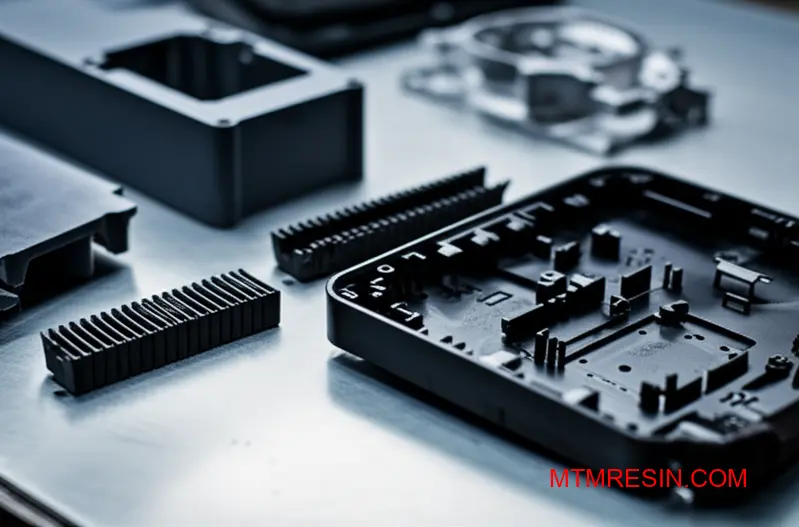
The trade-off between toughness and flow isn’t arbitrary; it’s rooted in polymer science. Impact strength often comes from longer polymer chains and a higher rubber content. These same factors, however, increase viscosity and restrict the material’s ability to flow. This behavior is a core aspect of Viscoelasticity5.
Analyzing Toray’s Toyolac Grades
Let’s examine specific data points. We often guide clients by comparing the Notched Izod Impact Strength against the Melt Flow Rate (MFR). A high-impact grade like Toyolac 100 might have excellent toughness but an MFR that makes it unsuitable for thin-walled electronics casings.
In contrast, a high-flow grade like Toyolac 700 is perfect for such designs but would likely fail drop tests for a ruggedized tool housing. This is why material selection for a mold trial must align perfectly with the final part’s intended function.
| Toyolac Grade (Example) | Izod Impact (J/m) | MFR (g/10 min) | Optimal Use Case |
|---|---|---|---|
| Grade A (High Impact) | > 250 | Low | Durable Enclosures |
| Grade B (Balanced) | ~ 150 | Medium | Consumer Products |
| Grade C (High Flow) | < 100 | High | Complex, Thin Parts |
At MTM, we simplify this process by having various Toyolac grades ready in China. This allows our clients to quickly test and validate the right material without waiting for overseas shipments.
Choosing the right Toyolac grade means balancing mechanical toughness with manufacturing efficiency. Our data analysis shows a clear inverse relationship between Izod impact strength and melt flow rate, guiding engineers toward optimal material selection for their specific application and mold design.
Mold Temperature Management for Superior Surface Gloss
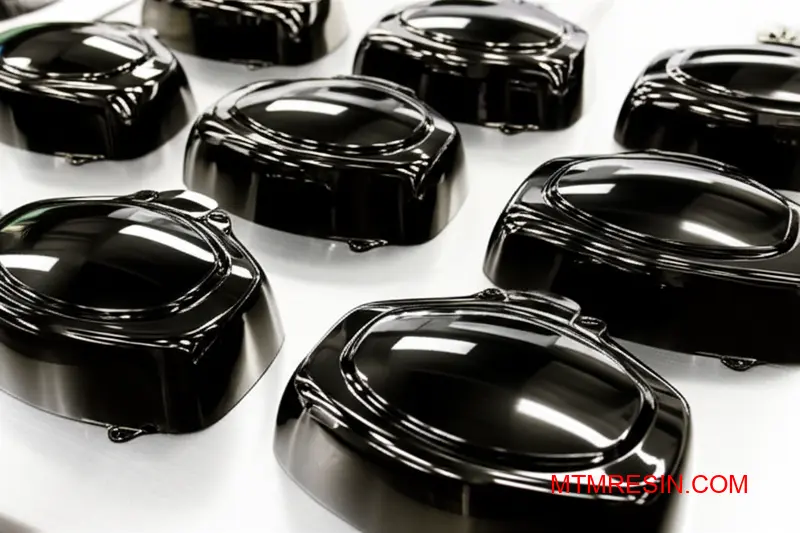
Achieving a superior, high-gloss surface finish on Toyolac parts is directly tied to precise mold temperature control. When the mold is too cold, the material solidifies too quickly, trapping microscopic imperfections and resulting in a dull appearance. A warmer mold allows the resin to flow smoothly.
The Role of Heat in Surface Replication
A higher mold temperature keeps the Toyolac resin in a molten state for a fraction longer. This extra time is crucial for the material to perfectly replicate the polished surface of the mold cavity. It eliminates flow lines and ensures a uniform, mirror-like finish.
Temperature Impact on Gloss
| Mold Temperature | Surface Finish Outcome | Common Issues |
|---|---|---|
| Too Low | Dull, matte, flow lines | Poor surface replication |
| Optimal | High gloss, uniform | Desired aesthetic finish |
| Too High | Potential for sticking, burns | Extended cycle times |
This control is fundamental for aesthetic injection molding where visual quality is paramount. It’s a balance we constantly manage.
Optimizing Cooling for Flawless Aesthetics
Beyond simply heating the mold, the cooling cycle is equally critical for a high-gloss Toyolac surface finish. An abrupt or uneven cooling process can introduce internal stresses, causing subtle surface defects like sink marks or warpage that detract from the final gloss.
The Cooling Cycle Strategy
Effective mold temperature control involves a managed cooling rate. We aim for a gradual temperature drop, allowing the part to solidify uniformly. This prevents the outer skin from shrinking at a different rate than the core, which is a common cause of imperfections that ruin a glossy surface. After working with our clients, we found this is key for aesthetic parts.
Impact on Material Structure
The temperature affects how polymer chains align. For a material like Toyolac ABS, which is amorphous, there is no crystalline structure to influence its appearance. Therefore, its gloss depends entirely on how perfectly it copies the mold surface. This makes temperature management even more vital. Proper heat ensures low Polymer Crystallinity6 remains a non-factor, letting the mold’s polish shine through.
Key Parameters for High Gloss
| Parameter | Recommended Action | Reason for Action |
|---|---|---|
| Mold Temperature | Increase to upper range | Enhances resin flow and surface replication |
| Injection Speed | Moderate to high | Fills the cavity before the resin cools |
| Cooling Time | Extend slightly | Ensures uniform solidification, reduces stress |
| Mold Surface | Polish to a mirror finish | The part can only be as glossy as the mold |
Precise mold temperature and controlled cooling are essential for achieving a premium, high-gloss finish on Toyolac parts. This process ensures the material perfectly replicates the polished mold surface, delivering a flawless aesthetic without defects.
Troubleshooting Common Defects: Warpage and Sink Marks in Toyolac Parts
During T1 trials, seeing warpage or sink marks in your Toyolac parts can be frustrating. These are common injection molding defects, but they are solvable with the right approach. Warpage often comes from uneven cooling, while sink marks typically point to insufficient packing pressure or material.
Initial Parameter Adjustments
A systematic approach is key. Instead of changing multiple parameters at once, focus on one variable at a time. This helps isolate the root cause. For Toyolac molding, I often start with melt temperature and packing pressure adjustments, as these have the most immediate impact.
Quick Guide for T1 Trials
| Defect | Primary Cause | Recommended First Action |
|---|---|---|
| Warpage | Uneven Shrinkage | Adjust mold temperature differentials. |
| Sink Marks | Insufficient Material | Increase packing pressure or time. |
At MTM, we ensure you have the correct grade of Toyolac on hand, so you can focus purely on process optimization without worrying about material variables.
Deeper Dive into Troubleshooting Toyolac Molding
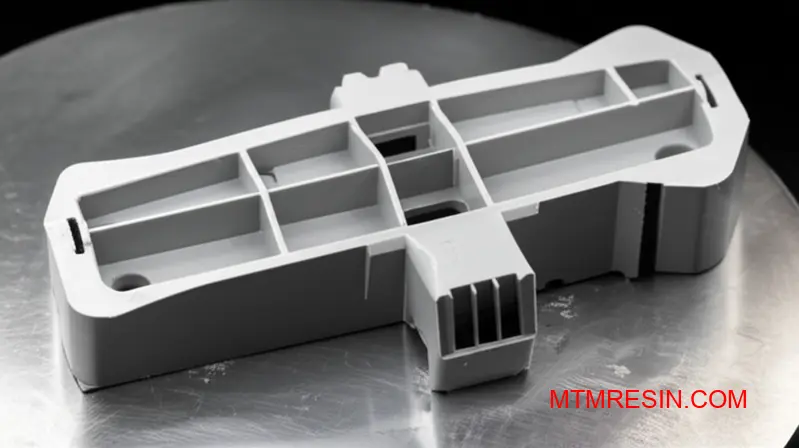
To find a permanent Toyolac sink marks solution, you must look beyond initial parameter tweaks. Consider the part’s geometry. Thick sections next to thin walls are classic problem areas. They create challenges in achieving uniform cooling and packing, leading to defects.
Reducing Warpage in ABS
For reducing warpage in ABS resins like Toyolac, controlling the cooling process is critical. The goal is to minimize internal stresses caused by differential shrinkage7. This occurs when different sections of the part cool and shrink at different rates, pulling the part out of its intended shape.
We have found that adjusting the temperature on the two halves of the mold can often counteract this effect. For example, slightly increasing the temperature on the core side can sometimes balance the cooling rate and reduce warping.
Advanced Troubleshooting Steps
Here’s a more detailed breakdown for troubleshooting:
| Parameter | Impact on Warpage | Impact on Sink Marks |
|---|---|---|
| Melt Temperature | Lower temp may reduce shrinkage. | Higher temp improves flow to fill thick areas. |
| Mold Temperature | Uniform temps reduce stress. | Lower temp can help "freeze" the outer skin. |
| Packing Pressure | Can worsen stress if too high. | Higher pressure forces more material into the cavity. |
| Gate Location | Critical for flow and pressure distribution. | Can be a root cause if far from thick sections. |
Effectively troubleshooting Toyolac molding requires a systematic approach. Adjusting key process parameters like temperature, pressure, and cooling time based on the specific defect is crucial for successful T1 trials and achieving high-quality production parts.
Chemical Resistance Guidelines: Painting and Plating Compatibility
Choosing the right Toyolac grade goes beyond molding performance. You must consider secondary operations. Successful painting and plating depend heavily on the material’s surface properties and chemical resistance. A mismatch can lead to costly defects like peeling or poor adhesion later on.
Initial Surface Preparation
Proper preparation is non-negotiable for painting ABS plastic. The surface must be clean and free of mold release agents or contaminants. This ensures the paint or plating layer forms a strong, uniform bond with the substrate, which is essential for long-term durability.
Comparing Finishing Requirements
| Process | Key Material Requirement | Common Challenge |
|---|---|---|
| Painting | Good solvent resistance | Surface crazing from aggressive solvents |
| Electroplating | Specific butadiene content for etching | Poor adhesion or blistering |
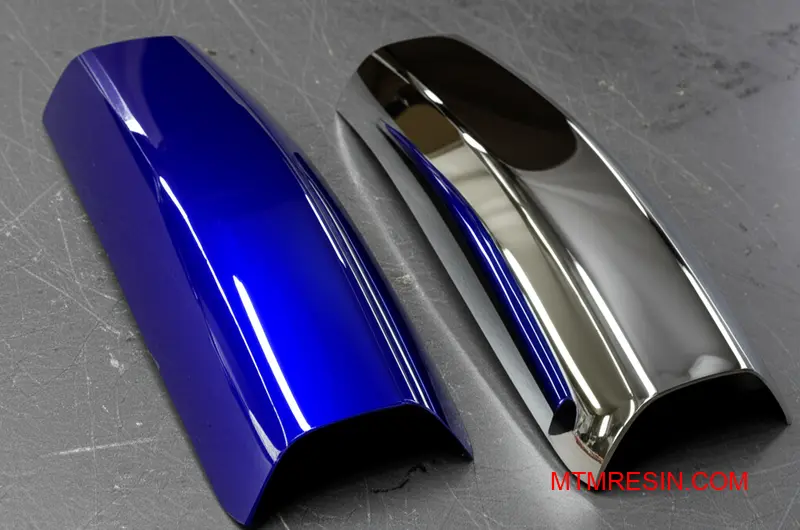
When planning secondary operations for ABS parts, the material grade is your first and most critical decision. The wrong choice can compromise the entire product. At MTM, we help clients select the right material from the start, avoiding these issues during mold trials in China.
Selecting Toyolac for Electroplating
For applications requiring chrome plating, specific Toyolac grades are designed for this purpose. These "plating grades" contain a precise amount of butadiene, which allows for a uniform micro-etching process. This creates the necessary surface topography for a strong mechanical bond with the metal layers.
Solvent Reactions in Painting
Painting ABS plastic requires careful solvent selection. The success of these processes hinges on strong Interfacial adhesion8 between the plastic and the coating. Toyolac chemical resistance is generally good, but aggressive solvents can cause issues. We’ve seen that ketones and esters can cause surface swelling or crazing if not properly managed.
Common Solvents and Their Effects on ABS
| Solvent Type | Compatibility | Potential Risk |
|---|---|---|
| Alcohols | Good | Minimal risk |
| Ketones (e.g., Acetone) | Poor | Can cause crazing or dissolve the plastic |
| Esters | Moderate | Risk of surface softening |
| Hydrocarbons | Good | Generally safe for short-term contact |
Selecting a grade with higher chemical resistance is crucial if the painting process involves potent solvents. This is a common factor we discuss with clients when supplying Toyolac for their projects.
Ultimately, successful secondary operations depend on upfront material selection. Understanding how specific Toyolac grades interact with chemicals and plating processes is vital. This foresight prevents costly failures and ensures a high-quality final product that meets all specifications.
Medical Device Compliance: Sourcing Biocompatible Toyolac Grades
For medical project managers, material compliance is non-negotiable. Sourcing biocompatible ABS resins like Toyolac requires careful planning, especially for mold trials. Ensuring materials meet standards such as USP Class VI or ISO 10993 is crucial for patient safety and regulatory approval.
Key Compliance Standards
Selecting the right grade involves matching the material’s certification with the device’s intended application. Failure to do so can cause significant project delays and increase costs during the validation phase.
Available Toyolac Grades
| Grade Series | Compliance | Typical Application |
|---|---|---|
| Toyolac 950 | ISO 10993 | Housings, diagnostic parts |
| Toyolac TP-10 | USP Class VI | Drug delivery components |
This initial selection is critical for a smooth development process.
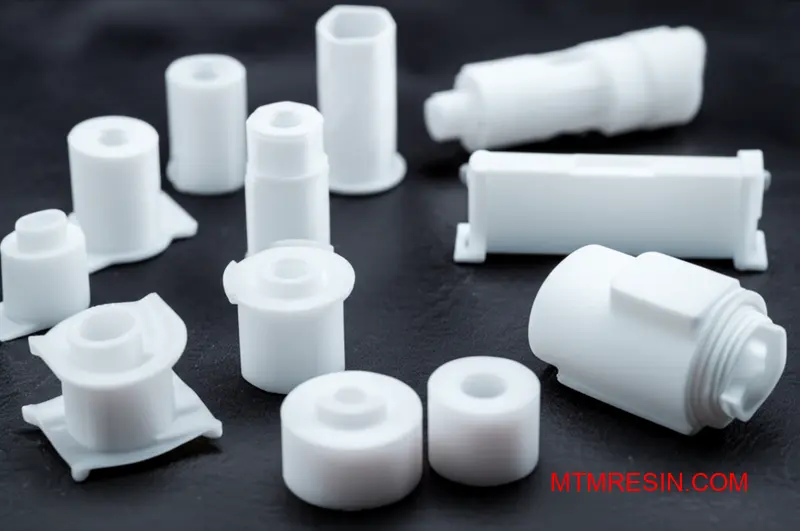
Sourcing certified materials for trials in China often introduces logistical hurdles. Project managers frequently face long lead times and complex import processes. This is especially true for specific medical-grade Toyolac resins required for biocompatibility testing. The documentation must be perfect.
Navigating Regulatory Requirements
The difference between a standard ABS and a biocompatible ABS resin lies in rigorous testing. Standards like ISO 10993 evaluate a material’s biological response. This includes assessing factors like Cytotoxicity9, ensuring the material does not harm living cells upon contact.
Sourcing Strategy for Mold Trials
A failed trial due to incorrect material is a costly mistake. At MTM, we pre-stock these certified Toyolac healthcare applications materials locally. This eliminates cross-border shipping delays for our clients, allowing their mold trials to proceed on schedule with the correct, compliant resin.
| Challenge | Standard Approach | MTM Solution |
|---|---|---|
| Long Lead Times | International Shipping | Local, pre-stocked inventory |
| Customs Delays | Complex Paperwork | Immediate domestic delivery |
| Material Verification | Risk of incorrect grade | Guaranteed compliant grade |
This streamlined approach directly supports rapid prototyping and validation phases.
Sourcing the correct medical-grade Toyolac is crucial for compliance. Having biocompatible ABS resin like USP Class VI or ISO 10993 grades available locally in China for mold trials simplifies logistics, ensures project timelines, and mitigates risks associated with international shipping.
Automotive Interior Applications: UV Stability and Weathering
In automotive interiors, color stability is not just about looks; it’s about perceived quality. Standard ABS resins can yellow or fade when exposed to sunlight over time. This is where specialized grades come into play, solving a critical design challenge for automakers.
The Role of ASA/ABS Blends
ASA (Acrylonitrile Styrene Acrylate) is blended with ABS to significantly boost weather resistance. We often recommend UV-stabilized grades, such as specific Toyolac series from Toray, for parts like dashboards, door panels, and pillars that receive direct sun exposure. These materials are engineered to last.
Performance Comparison
Below is a simple comparison based on our test observations with clients. It highlights the clear advantage of using UV-stabilized materials for interior applications.
| Feature | Standard ABS | UV-Stabilized Toyolac |
|---|---|---|
| Color Fade (Simulated 3 Yrs) | Noticeable | Minimal to None |
| Surface Cracking | Possible | Highly Resistant |
| Impact Strength Retention | Decreases | Stable |
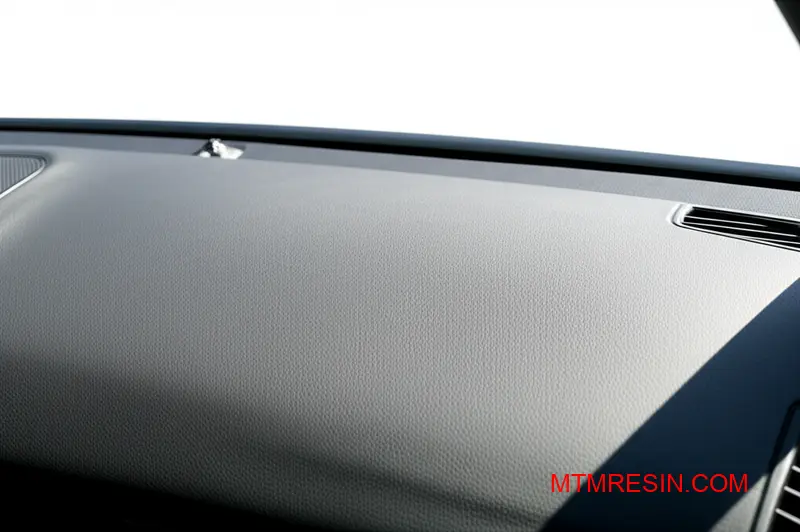
When selecting an automotive ABS resin, focusing solely on initial mechanical properties is a common mistake. The real test is long-term performance under UV light and heat. Interior car parts must resist degradation for the vehicle’s entire lifespan, which is where Toray automotive grades truly excel.
Engineered for Durability
Materials like Toyolac UV-stabilized grades are not just standard ABS with an additive. They are compounded to chemically resist the effects of Photo-oxidation10, a process where UV radiation breaks down polymer chains, causing discoloration and brittleness. This ensures that the material maintains both its color and structural integrity over years of use.
The MTM Advantage in Sourcing
Sourcing the correct interior car parts material in China for mold trials can be difficult. At MTM, we stock these specialized resins, including Toyolac, ensuring your trials use the exact grade specified for production. This avoids delays and guarantees that your test results are accurate and reliable. You don’t have to wait for overseas shipments; the material is ready.
Selecting the right UV-stabilized resin, such as specific Toyolac grades, is crucial for automotive interiors. It ensures long-term color stability and material integrity, preventing fading and degradation from sun exposure. This maintains the vehicle’s aesthetic and functional quality over its lifetime.
Ensuring Material Authenticity in the Chinese Market
The fear of counterfeit materials in China is a valid concern for many project managers. Using fake plastic resin poses significant risks, compromising the entire mold trial process. It can lead to failed tests, inaccurate data, and costly delays. Sourcing genuine materials is non-negotiable for project success.
The Dangers of Inauthentic Resins
Counterfeit materials often look identical but lack the specified performance properties. This discrepancy can cause unexpected failures during molding, affecting everything from part dimensions to surface finish. Verifying material authenticity from the start is the only way to avoid these pitfalls.
Impact on Mold Trials
| Feature | Genuine Material | Counterfeit Material |
|---|---|---|
| Performance | Meets spec sheet data | Unpredictable, inconsistent |
| Shrinkage | As expected | Varies, causing defects |
| Trial Outcome | Valid and reliable | Invalid, requires re-testing |
| Project Timeline | On schedule | Delayed, increased costs |
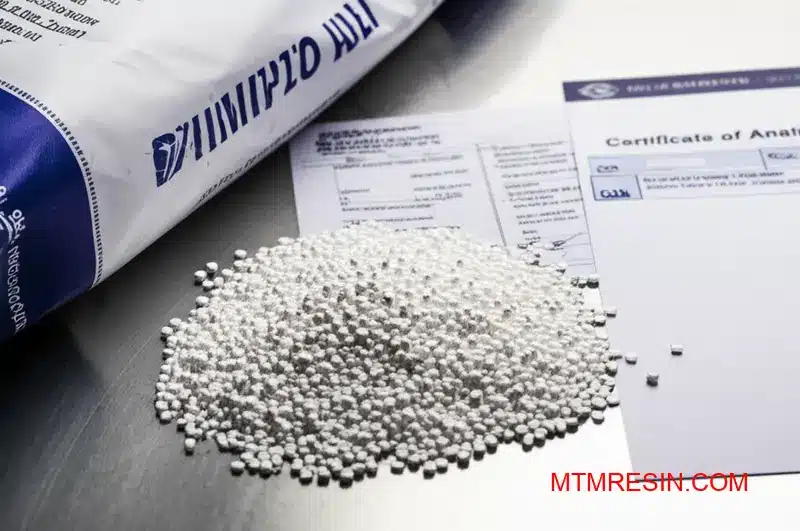
Verification is Non-Negotiable
When a client specifies a material like Toyolac ABS, they expect genuine Toray resin. Using a verified local stockist is the most effective way to guarantee authenticity. At MTM, we eliminate this risk by providing materials sourced directly from official channels, complete with verifiable documentation.
How to Verify Material Certificates
The first step is always COA verification. A Certificate of Analysis (COA) must match the batch number on the material packaging. We cross-reference every COA with the manufacturer’s records to confirm its legitimacy. This simple check prevents most counterfeit materials from entering the supply chain.
The Role of a Genuine Toray Distributor
As a reliable supplier, we maintain a strict Chain of Custody11 for all materials. This means we track the material from the genuine Toray distributor directly to your mold trial. This process ensures the Toyolac you use is precisely what was specified in your design phase.
| Verification Step | Purpose |
|---|---|
| Supplier Audit | Confirms supplier is an authorized distributor. |
| COA Check | Matches certificate data to batch number. |
| Packaging Inspection | Looks for signs of tampering or re-bagging. |
| Batch Traceability | Tracks material from origin to delivery. |
Counterfeit resins introduce unacceptable risks to mold trials. Verifying material certificates and partnering with a trusted stockist who maintains a clear chain of custody are essential. This ensures the genuine Toyolac you specified is the material you actually receive for testing.
Material Equivalence: When to Consider Alternatives to Toyolac
Toyolac is an excellent ABS resin, but project realities sometimes demand a different approach. You might face long lead times for specific grades from Toray, or the project budget simply can’t accommodate the cost. This is where finding a reliable equivalent becomes crucial for your mold trials in China.
Key Drivers for Seeking Alternatives
When your primary material choice isn’t feasible, the focus shifts. The goal is to find a substitute that meets performance needs without derailing the project timeline or budget. It’s a balancing act between technical requirements and practical constraints.
Common Scenarios
| Factor | Challenge with Specified Toyolac | Benefit of an Alternative |
|---|---|---|
| Availability | Long import lead times to China | Immediate access from local stock |
| Cost | Exceeds project budget | More competitive pricing |
| Minimum Order | High MOQ for trial quantities | Flexible order sizes available |
This process involves more than just matching a single data point. It requires a comprehensive evaluation to ensure the substitute performs as expected during the critical mold trial phase.
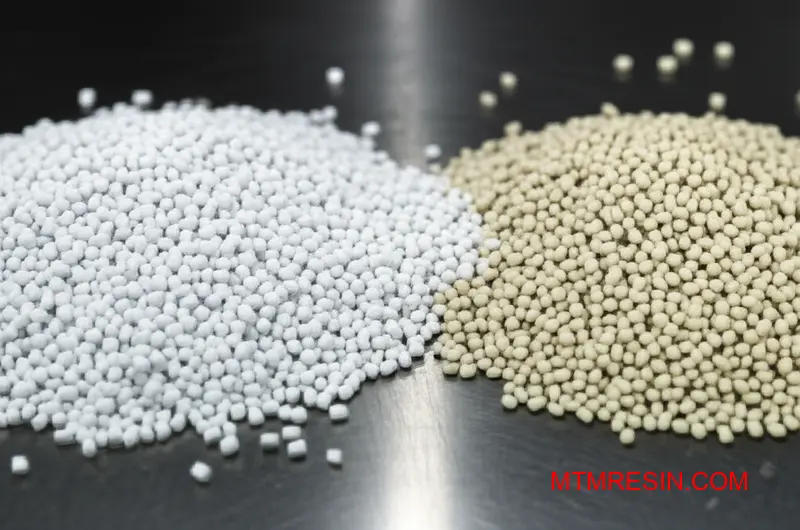
When a project requires an alternative to a specified Toyolac grade, my team at MTM focuses on a structured benchmarking process. Relying solely on a datasheet can be misleading. Two materials with similar Melt Flow Index (MFI) values might behave very differently under actual molding conditions.
The Benchmarking Process
We start with a detailed comparison of critical material properties. This ensures the substitute aligns with the original design intent for the part. Our experience working with various resins in China allows us to cross-reference Toray resin specifications against locally available, high-quality alternatives.
Critical Properties for Comparison
The key is to look beyond headline numbers. A material’s Tensile Modulus12 is vital for stiffness, while Heat Deflection Temperature (HDT) indicates performance under thermal stress. Minor differences in these areas can significantly impact the final part’s integrity and function.
| Property | Toyolac Grade (Example) | Alternative Grade (Target) | Importance |
|---|---|---|---|
| Melt Flow Index (g/10 min) | 22 | 20-24 | Processing & Flow |
| Izod Impact Strength (J/m) | 250 | ≥ 240 | Durability & Toughness |
| HDT @ 0.45 MPa (°C) | 95 | ≥ 93 | Thermal Resistance |
| Tensile Modulus (MPa) | 2300 | 2250-2350 | Stiffness & Rigidity |
At MTM, we help clients navigate this by providing materials from our pre-stocked inventory in China, ensuring you get a reliable ABS material substitution without costly import delays.
Choosing a Toyolac alternative is a strategic decision driven by availability or cost. Success depends on a thorough benchmark of key material properties, not just one or two datasheet values. This ensures your mold trial accurately reflects final production performance.
Accelerate Your Toyolac Trials with MTM Expertise
Ready to optimize your Toyolac resin selection and streamline your mold trials in China? Contact MTM for instant access to pre-stocked Toyolac grades, authentic materials, and personalized technical support—stop waiting for overseas shipments and get your project moving today. Submit your inquiry for a fast quotation now!

-
Understand how this material property influences processing and final part performance. ↩
-
Understanding rheology helps predict how a polymer will behave during the injection molding process. ↩
-
Understanding this value helps predict light behavior, crucial for designing lenses and clear covers. ↩
-
Understand the chemistry and environmental considerations behind different flame retardant technologies. ↩
-
Understanding this core property helps predict how materials deform and flow during injection molding. ↩
-
Learn how a polymer’s internal structure dictates its final physical properties, including clarity and strength. ↩
-
Understanding this helps predict and control the internal stress distribution in molded parts. ↩
-
Learn how this principle governs bond strength between coatings and plastic, crucial for preventing delamination. ↩
-
Understand this key test to see how materials interact with living cells, crucial for device safety. ↩
-
Understanding this chemical process helps in selecting materials that resist long-term UV damage and degradation. ↩
-
Explore how this concept ensures material integrity and protects your project from costly failures. ↩
-
Understanding this value helps predict how a material will behave under load, which is crucial for part design. ↩