
Molding high-performance engineering plastics like Stanyl TW200F6 in China comes with unique challenges. Many engineers struggle with inconsistent trial results, unexpected processing issues, and material authenticity concerns that can derail entire projects.
Stanyl TW200F6 is a 30% glass fiber reinforced PA46 grade that delivers exceptional heat resistance (HDT >280°C), superior mechanical strength, and excellent chemical resistance, making it ideal for demanding automotive and electrical applications where standard PA66 falls short.
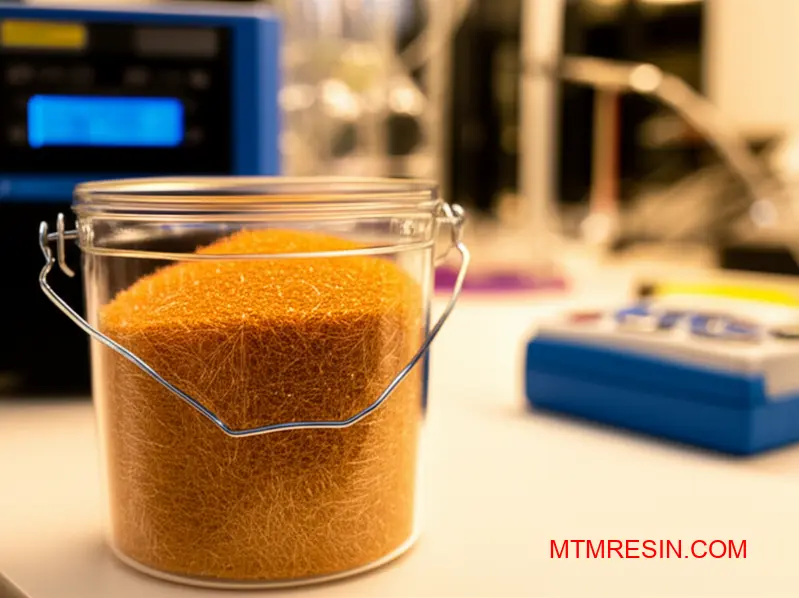
Getting TW200F6 right requires understanding its specific processing requirements and material behavior. The following guide covers essential technical considerations from pre-drying protocols to troubleshooting common molding defects, helping you achieve successful trials and consistent production results.
Evaluating Stanyl TW200F6 for High-Performance Engineering Applications
Engineers often specify Stanyl TW200F6 when standard PA66-GF30 falls short. This high-performance polyamide, a PA46 with 30% glass fiber, offers superior thermal and mechanical properties. It’s a go-to material for applications demanding consistent performance under extreme heat and mechanical stress.
Nøgleforskelle i performance
The main reason for choosing Stanyl TW200F6 is its elevated performance ceiling. It maintains stiffness and strength at temperatures where PA66 would begin to soften and fail. This makes it ideal for components near engines or in high-power electrical systems.
Property Comparison: PA46-GF30 vs. PA66-GF30
Below is a general comparison based on typical material data. Specific values can vary, but the trend is consistent.
| Ejendom | Stanyl TW200F6 (PA46-GF30) | Standard PA66-GF30 |
|---|---|---|
| Varmeafbøjningstemperatur (1,8 MPa) | ~285°C | ~250°C |
| Tensile Modulus (Dry) | Høj | Mellemhøj |
| Flydeevne | Fremragende | God |
| Creep Resistance at High Temp | Overlegen | Moderat |
This profile makes Stanyl TW200F6 a critical material for automotive and electronics.
Deeper Dive into Application Suitability
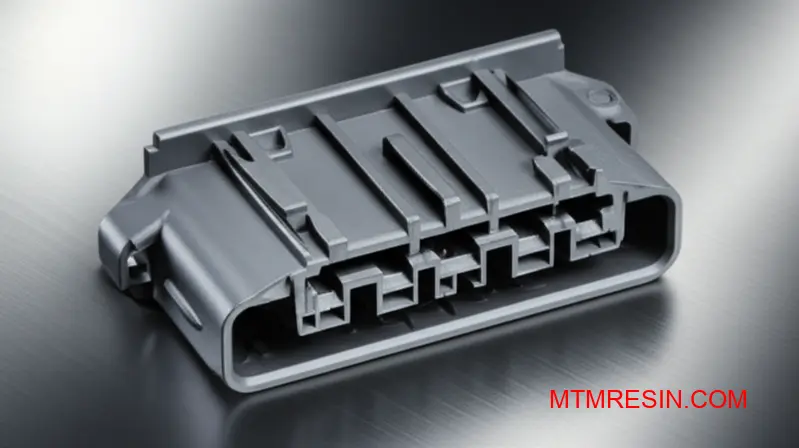
Choosing Stanyl TW200F6 isn’t just about higher temperature resistance; it’s about predictable performance. Its stable molecular structure provides excellent creep resistance under load at high temperatures, a critical factor for connectors and structural parts that must maintain tight tolerances over their service life.
Balancing Performance and Processability
One of the standout features of Stanyl is its excellent flowability despite the high melting point. This allows for the design of complex, thin-walled parts without sacrificing strength. We often see clients at MTM use this material for intricate components that would be challenging to mold with other high-temperature resins. The material’s ability to fill complex geometries reduces injection pressure and cycle times.
The Role of Thermal Stability
The superior thermal performance is directly linked to its higher Glasovergangstemperatur1. This characteristic ensures that mechanical properties are retained well above the operating temperatures of many standard engineering plastics. For engineers designing under-the-hood automotive parts or surface-mount connectors, this provides a crucial safety margin.
| Anvendelsesfaktor | Stanyl TW200F6 Advantage |
|---|---|
| High-Temp Connectors | Maintains pin retention force |
| Engine Components | Resists creep and fatigue |
| Thin-Walled Housings | Fills molds easily, reduces stress |
This combination of properties justifies its selection in high-stakes applications.
Stanyl TW200F6 is specified for its superior balance of heat resistance, stiffness, and excellent flow properties. This makes it a reliable choice for demanding automotive and E&E components where standard PA66 is not sufficient for long-term performance and reliability.
Key Mechanical Properties: Analyzing Tensile Strength and Stiffness
When selecting a material for demanding applications, tensile strength and stiffness are critical. These properties determine how a part will behave under load. For a material like Stanyl TW200F6, the datasheet provides the essential numbers, but understanding their real-world implications is what truly matters for your project’s success.
Understanding Tensile Strength
Tensile strength measures the maximum stress a material can withstand while being pulled before breaking. For glass fiber reinforced PA46, this value is significantly high, indicating its suitability for structural components. High tensile strength ensures the part maintains its structural integrity under tension.
The Role of Stiffness (Tensile Modulus)
Stiffness, or tensile modulus, indicates how much a material will deform elastically when a force is applied. A high tensile modulus, like that of Stanyl TW200F6, means the material resists bending and stretching. This is vital for parts requiring dimensional stability and rigidity.
Key Datasheet Values
Here’s a quick look at typical values you might find. These numbers highlight the excellent TW200F6 mechanical properties.
| Ejendom | Typisk værdi | Enhed |
|---|---|---|
| Trækmodul | 11000 | MPa |
| Tensile Stress at Break | 190 | MPa |
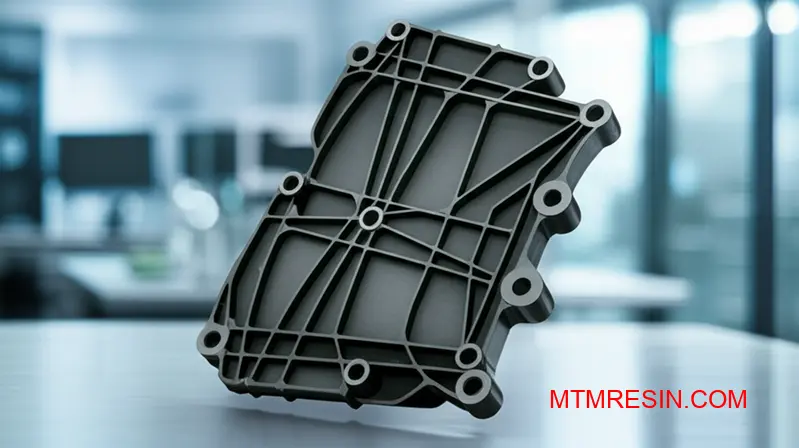
The 30% glass fiber reinforcement in Stanyl TW200F6 is the key to its impressive mechanical performance. These fibers act as a load-bearing skeleton within the polyamide 46 matrix. This dramatically increases both the tensile modulus and stress at break compared to unfilled PA46 grades.
Ud over databladet
However, relying solely on datasheet values can be misleading. In practice, the performance of glass fiber reinforced PA46 parts depends heavily on the molding process. The orientation of the glass fibers during injection molding directly influences the material’s final properties in different directions.
The Impact of Fiber Orientation
When we assist clients with mold trials at MTM, we always emphasize this point. A part will be strongest and stiffest in the direction of polymer flow, where the fibers are aligned. Conversely, properties will be weaker in the transverse direction. This Anisotropi2 is a critical design consideration.
Directional Property Comparison
Our tests with clients often reveal variations like the ones below, which are crucial for ensuring structural integrity.
| Ejendom | Flow-retning | Transverse Direction |
|---|---|---|
| Trækmodul | Højere | Lavere |
| Trækstyrke | Højere | Lavere |
This is why understanding the relationship between part design, mold gating, and material flow is essential for leveraging the full potential of materials like Stanyl TW200F6.
The 30% glass fiber in Stanyl TW200F6 provides exceptional tensile strength and modulus. However, engineers must account for fiber orientation during design and molding to ensure the part’s structural integrity meets performance requirements in all directions.
Thermal Performance: Heat Deflection and Continuous Use Temperatures
Choosing the right material for high-heat environments is a decision that directly impacts component reliability. It’s not just about a material surviving high temperatures; it’s about maintaining its shape and strength under load. Understanding thermal performance metrics is crucial for success.
Vigtige termiske indikatorer
Performance often comes down to specific data points. A material might withstand heat, but can it also handle mechanical stress at that temperature? This is where key indicators provide clarity for engineering decisions.
Comparing Material Classes
| Ejendom | Standard PPA | Stanyl TW200F6 |
|---|---|---|
| HDT/A (1.8 MPa) | ~280 °C | 290 °C |
| Smeltepunkt | ~310 °C | 295 °C |
This simple comparison shows how different high-performance polyamides behave.
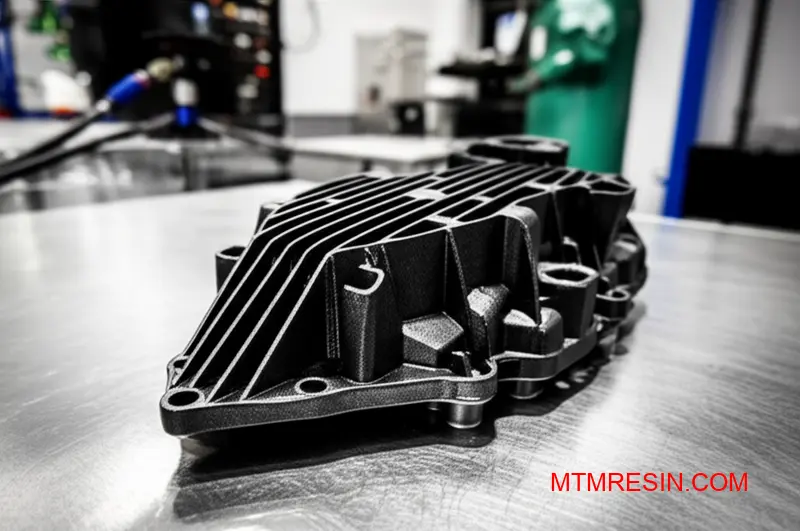
The hallmark of PA46 chemistry, especially in grades like Stanyl TW200F6, is its outstanding thermal resistance. This material is engineered for environments where heat is a constant challenge, such as under the hood of a vehicle. Two key metrics define this capability: HDT and CUT.
Varmeafbøjningstemperatur (HDT)
The Stanyl TW200F6 HDT is exceptionally high, around 290°C. This value indicates the temperature at which the material begins to deform under a specific load. It’s a measure of short-term heat resistance and is vital for parts that must maintain their shape during peak temperature spikes.
Continuous Use Temperature (CUT)
CUT measures long-term thermal stability. For Stanyl TW200F6, this temperature is around 190°C. It assures engineers that a component can operate reliably for thousands of hours at this temperature without significant degradation of its properties. Another related metric is the Vicat blødgøringstemperatur3, which helps assess softening under a concentrated load.
Thermal Performance Comparison
| Materiale | HDT (1,8 MPa) | CUT (UL 746B) |
|---|---|---|
| Standard PA66-GF30 | ~250 °C | ~130 °C |
| Stanyl TW200F6 | 290 °C | ~190 °C |
This difference highlights why Stanyl TW200F6 is a preferred choice for applications requiring peak temperature endurance and long-term durability. At MTM, we stock materials like this so your team can validate performance without international shipping delays.
Stanyl TW200F6 provides exceptional thermal performance. Its high HDT ensures structural integrity during temperature spikes, while its robust CUT guarantees long-term reliability. These properties make it a top choice for demanding automotive and industrial applications where heat is a primary factor.
Fluid and Chemical Resistance Profile for Automotive Environments
When selecting materials for automotive components, fluid and chemical resistance is non-negotiable. Parts under the hood are constantly exposed to a harsh mix of oils, greases, and salts. These substances can degrade polymers, leading to premature failure and costly recalls.
Assessing Material Performance
Stanyl TW200F6, a PA46, offers a robust profile against these challenges. Its performance is critical for components like engine covers, sensors, and connectors. Understanding its limits ensures reliability.
Common Automotive Fluids
We frequently test materials against standard automotive chemicals. This helps procurement managers validate material choices and avoid future issues.
| Fluid Type | Typical Impact on Polymers | Stanyl TW200F6 Performance |
|---|---|---|
| Engine Oil | Swelling, loss of properties | Excellent Resistance |
| Grease | Surface degradation | Excellent Resistance |
| Road Salt | Cracking, discoloration | High Resistance |
Ensuring automotive fluid compatibility from the start is a core part of our material validation process at MTM.

The durability of automotive parts is directly linked to the material’s ability to withstand chemical exposure over time. Stanyl TW200F6 demonstrates exceptional stability, which is a key attribute of its PA46 chemical resistance. This is due to its highly crystalline polymer structure.
Performance with Oils and Greases
In our evaluations, we’ve observed that Stanyl TW200F6 shows minimal dimensional or weight change after prolonged immersion in engine oils and transmission fluids. This stability is crucial for parts requiring tight tolerances, ensuring they function correctly throughout the vehicle’s lifespan.
Impact of Road Salts and Glycols
Exposure to road salt spray and glycol-based coolants presents another challenge. While some materials become brittle, PA46 maintains its mechanical integrity. This resistance prevents environmental stress cracking. The material’s low susceptibility to Hydrolyse4 is a significant factor in its long-term performance in these conditions.
We perform specific Stanyl durability tests for clients to confirm performance metrics. Having Stanyl TW200F6 pre-stocked in China allows our partners to conduct these validation trials without costly shipping delays.
| Test Condition | Property Change | Observation |
|---|---|---|
| 150°C Oil Immersion (1000h) | <2% Swelling | Highly Stable |
| 5% Salt Spray (500h) | No Cracking | Excellent Resistance |
| Ethylene Glycol (120°C) | Minimal Absorption | Retains Properties |
Stanyl TW200F6 provides excellent resistance to oils, greases, and salts common in automotive applications. Its stable chemical profile ensures component longevity and reliability, making it a trusted choice for engineers and procurement managers seeking durable, high-performance materials for demanding environments.
Moisture Absorption Characteristics and Handling Requirements
Polyamide 46 (PA46), such as Stanyl TW200F6, is known for its high-performance characteristics. However, it is also highly hygroscopic, meaning it readily absorbs moisture from the environment. This trait is crucial to understand for successful molding and final part performance.
The Impact of Moisture
Moisture acts as a plasticizer in PA46. Before molding, excessive moisture can lead to processing issues and degradation. After molding, the amount of absorbed water directly influences the material’s properties and dimensional stability. Proper handling is not just a recommendation; it’s a requirement.
Pre-Molding and Post-Molding Considerations
The table below outlines key differences in material state. Ignoring these factors often leads to parts failing to meet specifications, a common issue we help clients avoid by supplying properly stored materials for their mold trials in China.
| Tilstand | Moisture Effect | Anbefalet handling |
|---|---|---|
| Pre-Molding (Pellets) | Risk of hydrolysis during processing | Dry pellets to <0.05% moisture |
| Post-Molding (Part) | Changes in dimensions and flexibility | Condition parts to equilibrium moisture |
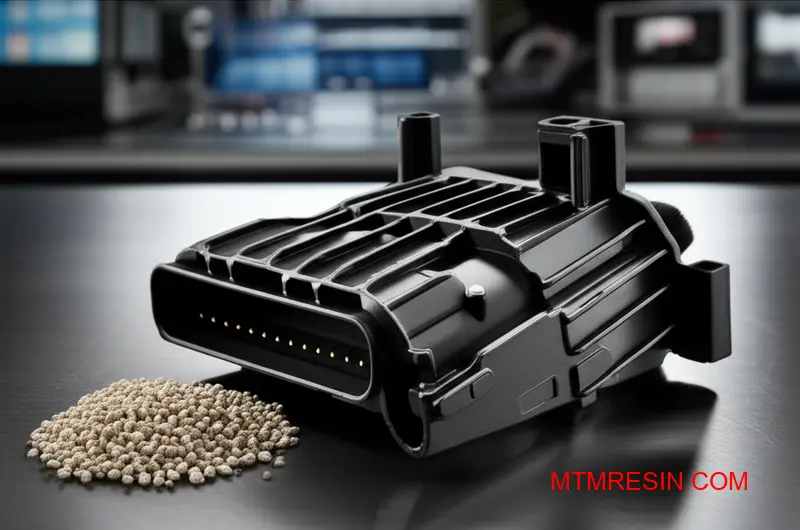
Understanding the moisture absorption of a material like Stanyl TW200F6 is critical. Its tendency to absorb moisture defines how it must be handled from the moment it arrives at the facility to the final conditioning of the molded part.
Saturation and Performance
PA46 can absorb a significant amount of water, often reaching over 1.5% at 50% relative humidity and much higher when fully saturated. This process, driven by Hygroscopicity5, directly alters part performance. We’ve seen that as moisture content increases, tensile strength and stiffness decrease, while impact strength and flexibility improve.
Dimensionel stabilitet
Moisture absorption causes the material to swell. This change in dimension is a critical design consideration. A part designed based on dry-as-molded dimensions will not meet tolerances once it acclimates to its service environment. This is why plastic conditioning is a vital post-molding step.
Preventing Hydrolysis
During molding, any residual moisture in Stanyl TW200F6 pellets will turn to steam. This can cause splay marks on the part surface and, more importantly, trigger PA46 hydrolysis. This chemical reaction breaks down the polymer chains, severely compromising the mechanical properties of the final product.
| Ejendom | Dry-As-Molded | Conditioned (50% RH) |
|---|---|---|
| Trækmodul | Høj | Falder |
| Slagstyrke | Lavere | Stigninger |
| Dimensions | Smaller | Swells |
Proper drying of Stanyl TW200F6 is non-negotiable. For mold trials, we at MTM always stress the importance of using correctly prepared material to get valid results. Overlooking this step leads to inaccurate assessments of both the tool and the material.
Properly drying and conditioning PA46, such as Stanyl TW200F6, is essential. Managing moisture ensures predictable part dimensions, prevents material degradation during processing, and achieves the intended mechanical performance in the final application, avoiding costly project delays.
Pre-Process Drying Protocols: Ensuring Defect-Free Melts
Improper drying is a primary cause of defects in high-performance materials. For a polyamide like Stanyl TW200F6, skipping or rushing this step leads to splay marks and compromised part integrity. It’s a critical preparation phase that directly impacts the final product quality.
Key Drying Parameters
To achieve a defect-free melt, you must control three main variables: temperature, time, and dew point. Getting these right ensures the material’s moisture content is below the recommended threshold before it enters the injection molding machine.
Initial Recommendations for TW200F6
Based on our tests with clients, these settings provide a reliable starting point. Always use a desiccant dryer for consistent results.
| Parameter | Anbefalet værdi |
|---|---|
| Tørretemperatur | 80°C (176°F) |
| Tørretid | 4-6 hours |
| Dugpunkt | -40°C (-40°F) or lower |
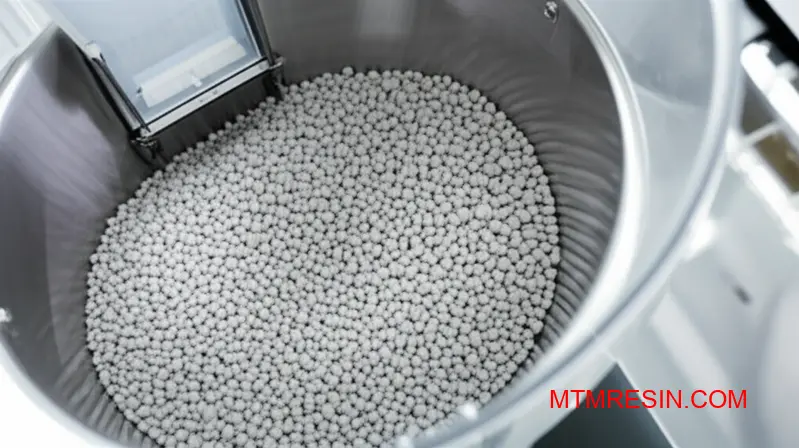
Beyond the Basics: Optimizing Your Process
While the recommended settings are a strong foundation, true optimization requires a deeper understanding. The goal isn’t just to heat the pellets but to create an environment where moisture is efficiently removed. This prevents issues during the molding preparation stage.
The Role of the Desiccant Dryer
A desiccant dryer is non-negotiable for materials like Stanyl TW200F6. It uses moisture-absorbing material to create extremely dry air, measured by dew point. Hot air alone cannot effectively remove the bound moisture within the polyamide pellets.
Verifying Moisture Levels
Ultimately, the goal is to reach the target Equilibrium moisture content6 before processing, which for this material should be below 0.1%. The only way to confirm this is by using a moisture analyzer. Relying solely on time can be misleading if the initial moisture content is unusually high.
| Tilstand | Konsekvenser |
|---|---|
| Under-Drying | Splay marks, brittleness, reduced mechanical properties. |
| Over-tørring | Material degradation, discoloration, altered viscosity. |
At MTM, we ensure our materials are stored correctly, but verifying the drying process at the molder’s facility is a crucial step for mold trial success. This avoids blaming the material for a process-related issue.
Precise drying protocols are essential for high-performance materials like Stanyl TW200F6. Adhering to specific guidelines for temperature, time, and dew point is the most effective strategy to prevent moisture-induced defects and ensure a successful molding outcome.
Optimizing Injection Molding Barrel Temperatures
Processing high-performance materials like Stanyl TW200F6 requires precision. Unlike more forgiving polymers, its barrel temperature must be carefully controlled. A slight deviation can significantly impact part quality. Getting the profile right from the start is crucial for a successful mold trial.
Recommended Barrel Profile for Stanyl TW200F6
Based on our tests, a good starting point for the barrel profile is a gradual increase from rear to front. This ensures uniform melting without overheating the material before it reaches the nozzle. Always verify with your machine and specific mold.
| Tønde-zone | Temperature (°C) | Temperature (°F) |
|---|---|---|
| Bagsiden | 295 – 315 | 563 – 599 |
| Center | 305 – 325 | 581 – 617 |
| På forsiden | 315 – 330 | 599 – 626 |
| Dyse | 310 – 325 | 590 – 617 |
The target Stanyl TW200F6 melt temperature should ideally be between 320°C and 330°C (608°F to 626°F).
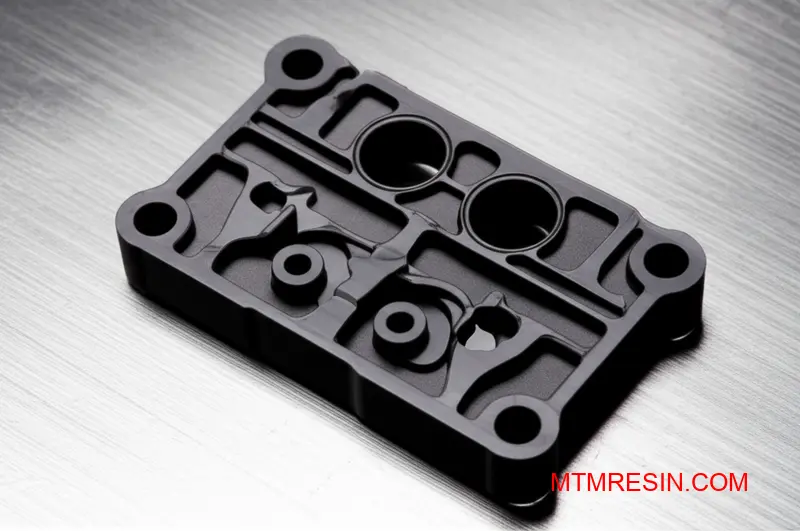
The Critical PA46 Processing Window
The main challenge with Stanyl TW200F6 is its narrow processing window. This means the temperature range between proper melting and the onset of material breakdown is very small. There is little room for error in your barrel profile settings, making precision paramount.
Risks of Exceeding the Temperature Limit
If the temperature is too high, even for a short time, you risk severe Thermal degradation7. This isn’t just about discoloration; it breaks down the polymer chains. The resulting parts will be brittle and fail to meet mechanical specifications, a costly outcome for any project.
Consequences of Insufficient Heat
Conversely, if the temperature is too low, the material’s viscosity remains too high for proper flow. This often results in incomplete mold filling, prominent weld lines, or high internal stresses. These defects compromise the structural integrity and appearance of the final product.
At MTM, we ensure you receive consistent, high-quality Stanyl TW200F6. This allows your team to focus on fine-tuning the PA46 processing window without concerns about material variability affecting the results. It removes one major variable from a very sensitive process.
Processing Stanyl TW200F6 requires strict adherence to its specific barrel profile. Deviating from its narrow window leads to material degradation or molding defects, compromising final part integrity. Precision is absolutely essential for success with this high-performance material.
Mold Temperature Strategies for Crystallinity and Surface Finish
When working with semi-crystalline materials like PA46, mold temperature is not just a setting; it’s a critical process parameter. It directly dictates the final part’s performance and appearance. A common oversight is focusing only on melt temperature while neglecting the mold’s thermal condition.
The Non-Negotiable Need for Heat
For materials such as Stanyl TW200F6, a cold mold results in poor crystallinity. This leads to dimensional instability and reduced mechanical properties. Achieving a high-quality surface finish and optimal structural integrity requires a sufficiently hot mold surface to control the crystallization rate effectively.
Temperature’s Dual Impact
A higher mold temperature allows polymer chains more time and mobility to arrange into an ordered crystalline structure. This not only enhances strength but also produces a superior, glossy surface finish that accurately reflects the mold texture.
| Parameter | Low Mold Temp (<80°C) | High Mold Temp (>120°C) |
|---|---|---|
| Krystallinitet | Low, Incomplete | High, Fully Developed |
| Overfladefinish | Dull, Flow Lines | Glossy, Uniform |
| Dimensionel stabilitet | Poor, Prone to Warpage | Excellent, Stable |
| Mekanisk styrke | Sub-optimal | Optimized |
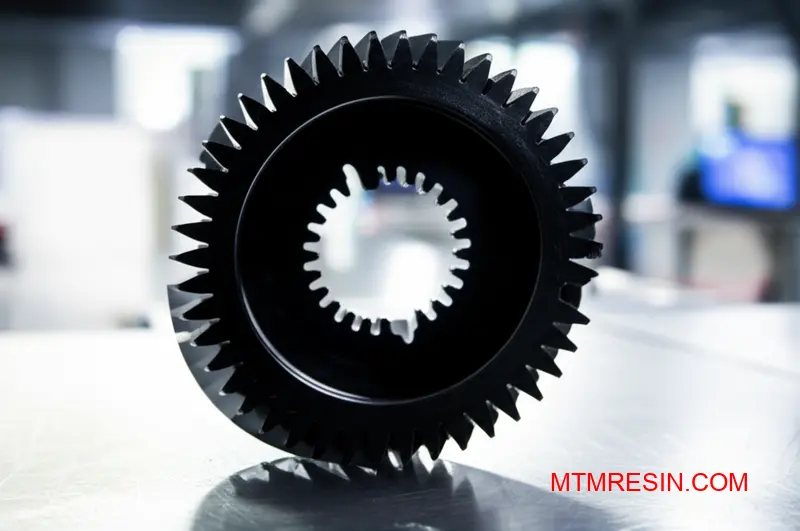
Achieving the right mold temperature for Stanyl TW200F6 often requires more than standard water-based temperature controllers. Based on our tests, we see that reaching temperatures above 80°C, and often up to 120°C, is essential for unlocking the material’s full potential. This is where hot oil mold controllers become necessary.
Why Hot Oil Controllers Are Key
A cold mold surface causes the molten polymer to solidify too quickly upon contact. This rapid cooling, or "quenching," freezes the polymer chains in a disordered, amorphous state. While the part may look formed, its internal structure is weak and underdeveloped, leading to post-molding shrinkage and warpage.
Enabling Complete Crystallization
Hot oil controllers maintain a consistently high mold surface temperature. This provides the necessary thermal energy for polymer chains to organize into stable crystalline structures known as Spherulite8. This controlled process ensures the formation of a dense, well-defined crystalline network throughout the part. The result is a component that meets strict performance specifications.
| Controller Type | Pros | Cons |
|---|---|---|
| Water-Based | Lower Cost, Simpler | Limited to ~90°C, Slower Heating |
| Oil-Based | High Temps (>120°C), Stable | Higher Cost, More Maintenance |
At MTM, we often advise clients that investing in the right temperature control is as crucial as selecting the right material, especially for demanding applications using Stanyl TW200F6.
For high-performance materials like Stanyl TW200F6, using hot oil mold controllers is essential. Elevated mold temperatures are required to achieve full crystallinity, ensuring optimal mechanical properties and a flawless surface finish. This investment in process control prevents post-molding issues and guarantees part quality.
Injection Speed and Pressure Settings for Thin-Walled Parts
When working with a high-flow PA46 like Stanyl TW200F6, injection speed is a critical parameter. For thin-walled parts, you must fill the cavity quickly before the material freezes. The high fluidity of TW200F6 is a major advantage here, allowing for rapid and complete filling.
Balancing Speed and Heat
However, high speeds generate significant shear heat. This can degrade the material if not properly managed. The goal is to find the fastest speed that fills the part without causing burns, flash, or degradation. We often start with a medium-high setting and adjust based on the results.
Initial Parameter Guide
Here is a general guide we use when starting a new mold trial for thin-walled components.
| Væggens tykkelse | Recommended Speed | Potentiel risiko |
|---|---|---|
| < 1.0 mm | Meget høj | Shear Burn |
| 1.0 – 1.5 mm | Høj | Flashing |
| > 1.5 mm | Mellemhøj | Flow-mærker |
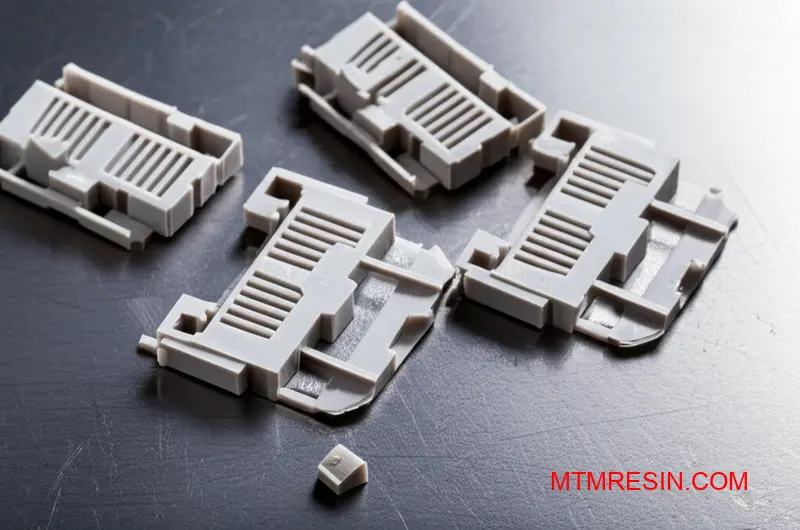
After the cavity is filled, holding pressure becomes the focus. Its job is to compensate for volumetric shrinkage as the plastic cools. Without proper holding pressure, defects like sink marks and voids are almost guaranteed, especially in sections with varying wall thickness.
Optimizing the Holding Pressure Profile
For Stanyl TW200F6, a multi-stage or step-down holding pressure profile usually delivers the best results. This approach helps pack the part effectively while minimizing residual stress. A high initial pressure ensures the cavity is fully packed, preventing sinks near the gate.
The material’s flow behavior is also influenced by Shear thinning9. This property allows the material to flow easily under high injection speed but regain viscosity as flow slows, which aids the packing process during the holding phase. At MTM, we support our clients in fine-tuning these profiles during their mold trials in China.
Step-Down Pressure Example
A typical profile might look like this, preventing overpacking at the gate.
| Scene | Pressure (% of Max) | Time (s) |
|---|---|---|
| Holding 1 | 60% | 1.5 |
| Holding 2 | 45% | 2.0 |
| Cooling | 0% | 10.0 |
Mastering injection speed and holding pressure is essential for high-quality thin-walled parts. For materials like Stanyl TW200F6, fast injection is necessary for complete filling, while a well-tuned holding profile ensures dimensional stability and prevents defects.
Screw Design and Machine Selection for PA46 Fabrication
Processing high-wear, glass-filled materials like Stanyl TW200F6 requires specific attention to your equipment. The right injection molding screw design and machine selection are not just best practices; they are essential for preventing premature wear and ensuring consistent part quality. Let’s look at the key parameters.
L/D and Compression Ratios
For materials with high glass fiber content, a standard L/D ratio of 20:1 to 22:1 is generally sufficient. A lower compression ratio, typically between 2.0:1 and 2.5:1, is critical. This minimizes shear heating and prevents degradation of the glass fibers, which preserves the material’s mechanical properties.
| Parameter | Recommended Range for PA46 GF | Begrundelse |
|---|---|---|
| L/D-forhold | 20:1 – 22:1 | Balances melting efficiency and residence time. |
| Kompressionsforhold | 2.0:1 – 2.5:1 | Reduces shear on glass fibers. |
Wear-Resistant Components
Standard components will not last long against abrasive materials. I strongly recommend using screws, barrels, and check rings made from highly wear-resistant metals. These specialized parts protect your investment and maintain process stability over time.
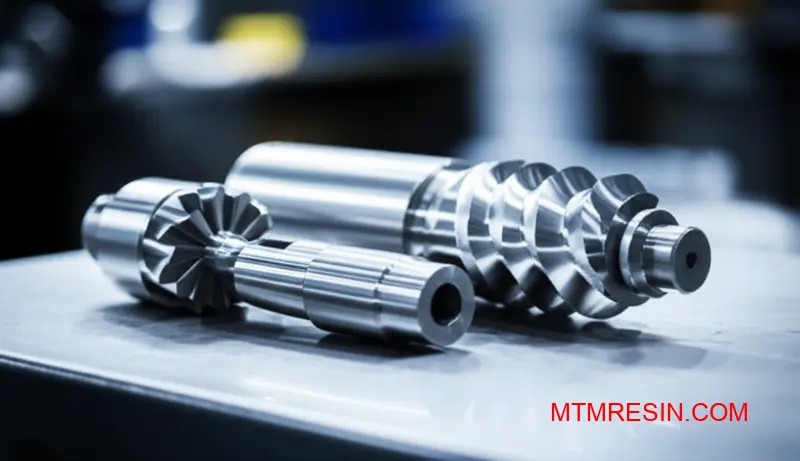
Check Ring Selection
The check ring (non-return valve) is a high-wear component. For a material like Stanyl TW200F6, a standard ring will fail quickly. A free-flow design is often preferred as it reduces pressure drop and minimizes fiber damage. The material choice for these components is equally important.
Based on our tests, hardened tool steels or components with specialized carbide coatings provide the best performance. They offer the durability needed to handle the abrasive nature of glass fibers, ensuring a more stable and reliable injection molding process.
| Check Ring Type | Suitability for PA46 GF | Vigtige fordele |
|---|---|---|
| Standard Sliding Ring | Ikke anbefalet | Prone to rapid wear and failure. |
| Free-Flow Ring | Recommended | Minimizes fiber damage and pressure loss. |
| Ball Check Ring | Recommended | Simple, effective design with good wear resistance. |
Machine Tonnage Considerations
Glass-filled PA46 has a higher melt viscosity, meaning it requires greater injection pressure to fill the mold. This directly impacts your machine tonnage calculation. You must account for the part’s projected area and the material’s reologi10. Underestimating tonnage can lead to flashing or incomplete parts, compromising quality.
Having the right material like Stanyl TW200F6 ready in China through MTM allows your team to focus on these crucial machine settings without worrying about supply chain delays.
For abrasive materials like Stanyl TW200F6, success depends on using wear-resistant components, appropriate screw geometry, and correctly calculated machine tonnage. Overlooking these details leads to equipment damage and production issues, compromising both efficiency and final part quality.
Stanyl, particularly grades like Stanyl TW200F6, is known for its exceptionally high fluidity. This property is excellent for filling complex, thin-walled parts. However, during T1 trials, it often leads to flash or burrs. This happens when the material flows into unintended gaps in the mold parting line.
The High-Flow Challenge
The initial instinct is often to crank up the clamping force, but this isn’t always the right solution. Over-clamping can damage delicate mold components. The key is finding a precise balance between filling the part completely and preventing material from escaping.
Initial Process Parameters
Here is a common starting point that often requires adjustment.
| Parameter | Initial Setting | Fælles problem |
|---|---|---|
| Clamping Force | Standard Calculation | Insufficient for high-flow material |
| Indsprøjtningshastighed | Høj | Exacerbates flash |
| V/P Switchover | By Position (95% full) | Flash occurs before switchover |
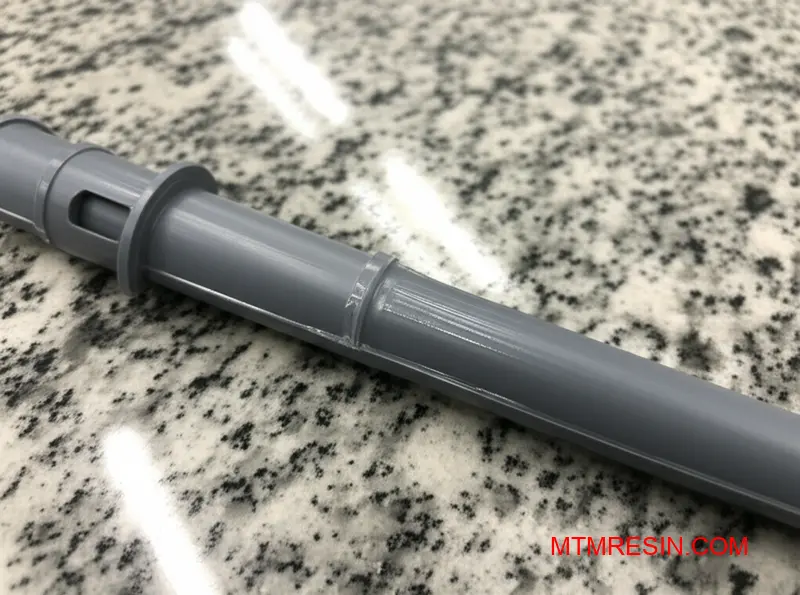
Successfully managing PA46 high flow issues requires a more nuanced approach than just increasing force. It’s about controlling pressure at the precise moment it’s needed. Relying solely on clamping force is a common pitfall I see in many mold trial troubleshooting scenarios.
Adjusting Clamping Force Strategically
Instead of maxing out the clamping force, apply just enough to seal the parting line effectively. We’ve found that a small, incremental increase is often sufficient. Monitor the parting line with each adjustment to see if the flash is reduced without deforming the mold.
The Critical V/P Switchover Point
The most effective tool for troubleshooting flash with Stanyl TW200F6 is the velocity-to-pressure (V/P) switchover point. By switching from injection speed control to pressure control earlier, you reduce the peak pressure inside the cavity just before it’s completely full. This prevents the fluid material from being forced into the parting line. The material’s Viskoelasticitet11 plays a significant role here, as its response to pressure changes is not instantaneous.
| Handling | Begrundelse | Forventet resultat |
|---|---|---|
| Increase Clamping Force | Increase by 5-10% increments. | Seals parting line without mold damage. |
| Reduce Injection Speed | Lower the final stage speed. | Reduces momentum of melt front. |
| Adjust V/P Switchover | Switch earlier (e.g., 90% full). | Minimizes peak cavity pressure. |
| Optimize Packing Pressure | Use a multi-stage profile. | Prevents over-packing and flash. |
Managing Stanyl’s high fluidity is a balancing act. Successful mold trials depend less on brute force and more on precise control of the V/P switchover point and strategic clamping force adjustments to prevent flash without compromising part integrity.
Controlling Warpage and Shrinkage in Glass-Filled PA46
Working with glass-filled materials like Stanyl TW200F6 presents a unique challenge: anisotropic shrinkage. The glass fibers don’t shrink, but the polymer matrix does. This disparity causes significant warpage if not managed correctly. Fiber orientation, dictated by melt flow, is the primary cause of this issue.
Understanding the Challenge
Parts shrink more in the direction perpendicular to the melt flow than parallel to it. This happens because the fibers align with the flow, restricting shrinkage in that direction. The result is often a part that bows or twists out of its intended shape after ejection.
Key Shrinkage Factors
Effective warpage control strategies begin with understanding these directional differences. The shrinkage rates can vary substantially, creating internal stress within the molded part.
| Retning | Typisk svind | Primary Influence |
|---|---|---|
| Flow-retning | Lav | Fiber Alignment |
| Tværstrømsretning | Høj | Polymer Matrix |
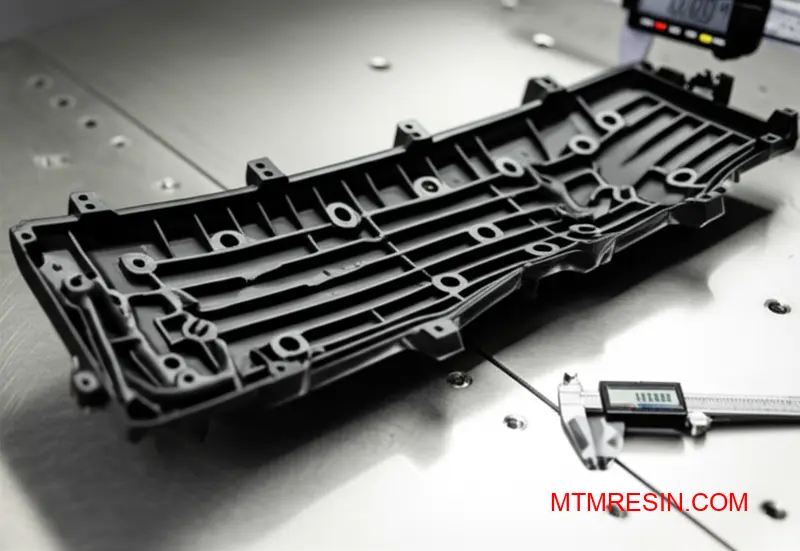
Addressing fiber orientation warpage requires a multi-faceted approach. It’s not just about process settings; mold design plays the most critical role. Two key areas I focus on with clients are gate location and the cooling circuit design. These elements directly influence the final part geometry.
Strategisk portplacering
The gate’s position determines how the material flows into the cavity, directly setting the initial fiber orientation. Placing gates to create a balanced, uniform flow front helps minimize unpredictable shrinkage. For long, thin parts, a fan gate can promote a more even flow and alignment.
Impact of Gate Type on Warpage
Different gates influence fiber orientation differently. Based on our work with clients on materials like Stanyl TW200F6, we’ve seen how a simple gate change can dramatically reduce warpage. Incorrect placement often leads to unbalanced internal stresses.
| Porttype | Fiber Orientation Effect | Tendens til skævvridning |
|---|---|---|
| Pin Gate | Radial Flow | High (if not centered) |
| Fan Gate | Uniform Frontal Flow | Low to Medium |
| Tab Gate | Linear Flow | Low (for flat parts) |
Advanced Cooling Techniques
Uniform cooling is just as crucial as controlling flow. Differentiel krympning12 occurs when one area of the part cools faster than another, exacerbating warpage. We often advise using separate cooling circuits for the core and cavity, with precise temperature control to ensure the part solidifies evenly.
Controlling warpage in glass-filled PA46 relies on managing fiber orientation and thermal conditions. Strategic gate location dictates flow, while optimized cooling ensures uniform solidification. These two factors are essential for producing precise, dimensionally stable parts with materials like Stanyl TW200F6.
Gating and Venting Guidelines for Stanyl Molds
When working with high-performance materials like Stanyl, proper mold design is critical. Gate and vent design isn’t just a suggestion; it’s essential for part quality. Incorrect gating can introduce high shear stress, leading to material degradation before the cavity is even filled.
Strategic Gate Design for PA46
For materials like Stanyl TW200F6, gate placement must ensure a balanced flow path. This minimizes warpage and internal stresses. The gate size should be large enough to allow for a quick fill without generating excessive heat from shear friction, a common issue with PA46.
Recommended Gate Types
| Porttype | Egnethed til anvendelse | Vigtige overvejelser |
|---|---|---|
| Tunnel/Submarine | Automatisk udluftning | May increase shear stress |
| Tab Gate | Store, flade dele | Reduces jetting |
| Fan Gate | Wide parts | Ensures uniform flow front |
The Importance of Mold Venting
Inadequate venting traps air, which compresses and heats up, causing burn marks—a phenomenon often called the diesel effect. Proper venting allows this trapped air to escape, ensuring a complete fill and preventing cosmetic defects on the final part. This is a non-negotiable step.
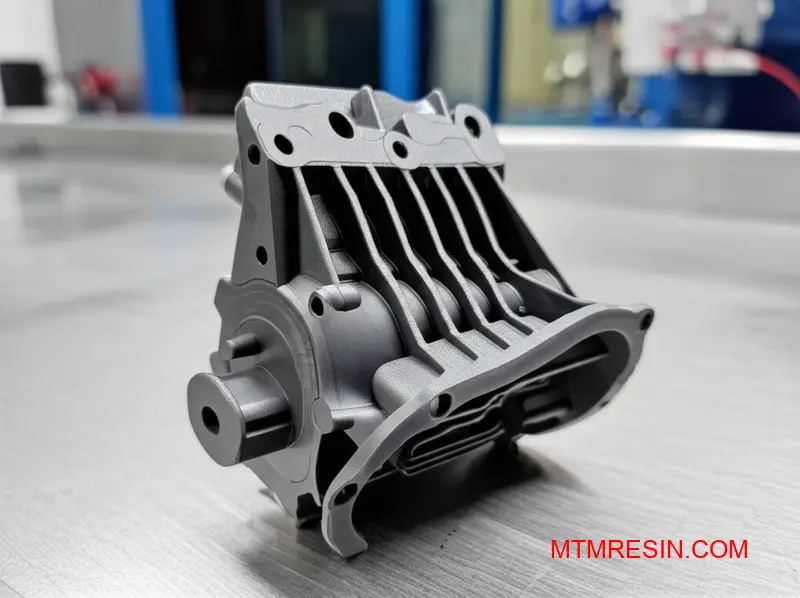
Let’s dig deeper into why venting is so crucial, especially with fast-flowing materials. The goal is to evacuate air from the cavity before the polymer melt arrives. If the air has nowhere to go, it gets compressed at the end of the flow path.
Preventing Gas Traps and Burns
This rapid compression causes a massive temperature spike, a process known as Adiabatic compression13. This effect is strong enough to scorch the plastic, leaving brown or black marks on the part. It can also degrade the material, compromising its mechanical properties.
Critical Venting Dimensions
For Stanyl TW200F6, the vent depth is critical. We have found that a depth of 0.015 to 0.020 mm is typically effective. This is shallow enough to prevent the polymer from flashing into the vent channel while allowing trapped gases to escape efficiently.
| Udgave | Root Cause | Løsning |
|---|---|---|
| Burn Marks | Trapped gas compression | Add or deepen vents at the end of flow |
| Korte skud | Air pressure resistance | Increase vent surface area |
| Poor Welds | Gas trapped between flow fronts | Place vents at weld line locations |
At MTM, we supply materials like Stanyl TW200F6, enabling teams to validate their tool design, including gating and venting strategies, without delays from international shipping. Getting these details right during the trial phase is key to a successful production launch.
Proper gating minimizes shear stress, while adequate venting prevents gas traps and burn marks. These two aspects of tool design are fundamental for producing high-quality, defect-free parts with demanding materials like Stanyl PA46, ensuring both aesthetic and functional integrity.
Ensuring Material Authenticity and Traceability
When sourcing materials locally, especially high-performance grades like Stanyl TW200F6, the risk of counterfeits is a real concern. Fake resins can cause catastrophic tool damage or product failure. Material authenticity is not a step to be overlooked; it is fundamental to project success.
The Dangers of Inauthentic Materials
Using unverified materials introduces significant risks. The initial cost savings are quickly erased by the problems that follow. Your entire project timeline and budget are put in jeopardy. Ensuring resin traceability is your first line of defense.
Comparing Authentic vs. Counterfeit Resin Risks
| Funktion | Autentisk materiale | Counterfeit Risk |
|---|---|---|
| Præstation | Meets specified datasheet values | Unpredictable, poor performance |
| Tool Safety | Safe for expensive molds | High risk of tool damage |
| Projektets tidslinje | Predictable, on-schedule trials | Delays from failed trials |
| Omkostninger | Higher initial price | Hidden costs from damage/rework |
At MTM, we eliminate these worries by providing fully traceable materials, ensuring your mold trials proceed without any material-related surprises.
Verifying Material Authenticity
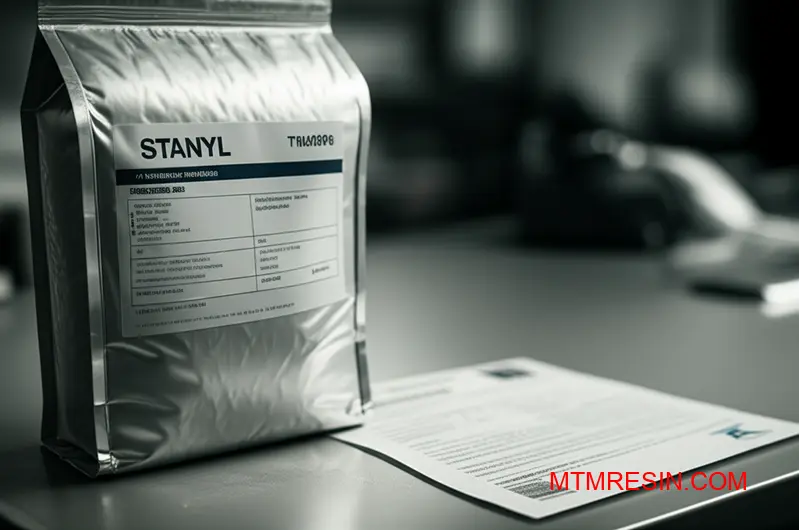
You cannot rely on trust alone. Two physical documents are essential for verification: the Certificate of Analysis (COA) and the original, untampered packaging. These items provide a direct link to the manufacturer and confirm the material’s identity and quality.
The Role of the Certificate of Analysis (COA)
A valid Stanyl COA should be your first checkpoint. This document is a quality guarantee from the manufacturer. It contains specific test results for the exact batch of material you received. We always advise our clients to cross-reference the lot number on the COA with the number printed on the bag.
Inspecting Original Packaging
Original packaging is another critical verification point. Look for intact factory seals, correct branding, and clear, professional labeling. Any signs of tampering, re-bagging, or poorly printed labels are major red flags. This entire verification process is part of maintaining a clear Sporbarhedskæde14.
| Verification Point | Hvad skal man tjekke? |
|---|---|
| COA Lot Number | Must match the number on the bag label. |
| Manufacturer Logo | Should be clear and consistent with brand standards. |
| Poseforsegling | Must be the original, unbroken factory seal. |
| Materialekvalitet | Verify it matches your order (e.g., Stanyl TW200F6). |
By securing materials through a trusted hub like MTM, you bypass these risks. We handle the sourcing and verification, delivering authentic materials ready for your trial.
Verifying material authenticity through the COA and original packaging is essential. This diligence protects your investment, prevents costly delays, and ensures the integrity of your final product. It is a non-negotiable step in modern manufacturing and procurement processes.
Comparing TW200F6 with Equivalent High-Performance Nylons
When selecting a high-performance polyamide, engineers often compare Stanyl TW200F6 with other materials. While alternatives exist, focusing solely on datasheet values can be misleading. The real difference appears during the actual mold trial process, especially under demanding conditions.
Initial Performance Benchmarking
Competitors like Zytel or Durethan offer PA46 grades with similar thermal properties. However, our internal testing shows Stanyl TW200F6 often provides a wider processing window and better melt stability, which is crucial for complex geometries. This minimizes defects during trial runs.
Key Differentiators at a Glance
This table offers a simplified view based on typical project feedback.
| Funktion | Stanyl TW200F6 | Zytel (Equivalent PA46) | Durethan (Equivalent PA46) |
|---|---|---|---|
| Cyklustid | Potentially Shorter | Standard | Standard |
| Svejselinjens styrke | Fremragende | God | God |
| Flydeevne | Høj | Høj | Moderate-High |
| Batch-konsistens | Meget høj | Høj | Høj |
This data highlights why a direct comparison is necessary for specific applications.
A Deeper Dive into Material Performance
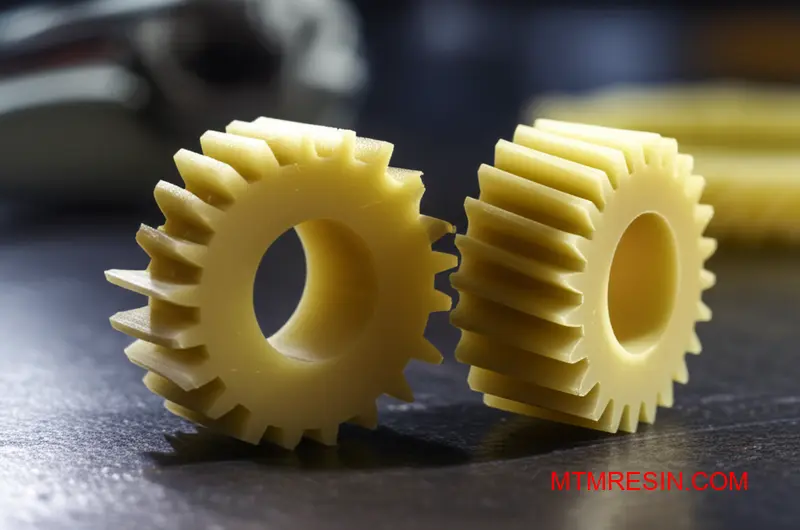
Choosing between Stanyl TW200F6 and its alternatives goes beyond the spec sheet. It’s about performance under pressure. In many projects I’ve supported, generic PA46 grades couldn’t match the processing consistency of Stanyl. This becomes evident in parts with thin walls or intricate details.
Crystallization Speed and Its Impact
Stanyl TW200F6 is known for its rapid crystallization. This behavior is directly influenced by the efficiency of its Nucleation15 process. Faster crystal growth allows for shorter cooling times and quicker demolding, which can significantly reduce overall cycle times in high-volume production scenarios.
Comparing Processing Stability
We’ve observed that some alternatives exhibit greater viscosity shifts at elevated temperatures. Stanyl TW200F6 tends to maintain a more stable melt rheology. This stability ensures that the last part in a run is dimensionally identical to the first, a critical factor for successful mold validation.
Below is a table summarizing practical differences we’ve noted with clients.
| Parameter | Stanyl TW200F6 | Generic PA46 Alternatives |
|---|---|---|
| Behandlingsvindue | Wide | Smalere |
| Dimensionel stabilitet | Fremragende | Variable by batch |
| Tendens til skævvridning | Lav | Moderat |
| Tool Wear | Standard | Potentially higher |
For projects where precision and speed are non-negotiable, these subtle differences make Stanyl TW200F6 the necessary choice. At MTM, we stock it in China, so you can validate your tool without international shipping delays.
While alternatives offer cost benefits, Stanyl TW200F6 often proves superior for demanding applications requiring fast cycle times and high precision. Its unique processing characteristics justify its selection in critical projects, ensuring a smoother and more predictable mold trial process.
Get Your Stanyl TW200F6 from MTM: Mold Trial Made Easy
Ready to run a mold trial with Stanyl TW200F6 in China? Don’t let material logistics or local sourcing issues delay your project. Contact MTM now—your trial materials are already stocked in China! Send your RFQ today and accelerate your engineering success with guaranteed material authenticity.

-
Understanding this concept helps predict a polymer’s stiffness and dimensional stability at elevated service temperatures. ↩
-
Understand how fiber alignment impacts material strength in different directions. ↩
-
This measurement offers key insights into a material’s resistance to localized heat penetration. ↩
-
Understanding this chemical breakdown process is key to predicting material failure in humid or wet environments. ↩
-
Understanding this property helps predict material behavior and prevent processing defects. ↩
-
Understanding this helps optimize drying cycles and prevent material degradation from over-drying. ↩
-
Understanding this chemical process helps prevent material failure and optimize molding parameters for better results. ↩
-
Understanding spherulite growth helps predict material strength and optical properties in finished parts. ↩
-
Understanding this effect helps optimize flow behavior and reduce injection pressure requirements for complex parts. ↩
-
Understanding this helps predict material flow, which is crucial for optimizing injection parameters and ensuring mold-filling consistency. ↩
-
Understanding this property helps predict polymer behavior during injection, improving process control. ↩
-
Understanding this helps diagnose warpage causes and design more effective, targeted cooling solutions for complex parts. ↩
-
Understanding this thermodynamic process is the root cause of burn marks in injection molding. ↩
-
Explore how this concept ensures material integrity from the source to your mold, preventing counterfeit infiltration. ↩
-
Understanding this process helps predict polymer behavior and optimize molding cycles. ↩